From $099 USDUnit price /Unavailable
Description
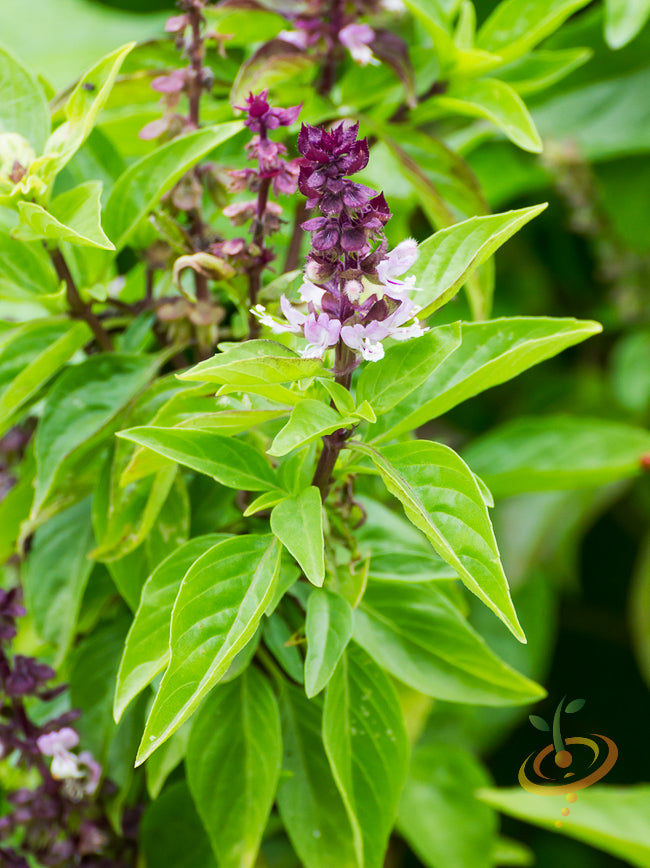
Licorice Basil is a type of Thai basil with a pleasant, sweet licorice flavor. Beautiful as a fragrant and ornamental accent throughout the garden, and delicious in salads, baked goods, and pasta sauce. It’s also pleasant to look at with deep green leaves that sometimes show a burgundy tinge, plum-colored stems, and lavender flower spikes that make a fun garnish for any salad, dish, or drink.Harvest the leaves and stems from the top part of the plant, and pinch off edible flower buds as they appear, which prevents the leaves from turning bitter, and signals the plant to branch out and grow more leaves, making a bushier plant.
The more you harvest, the more it grows!
- Sweet, pleasant licorice flavor
- Thai basil type
- Edible ornamental
- Good for containers
- Tons of medicinal benefits!
As a medicinal herb, Basil has been used internally to treat anxiety, colds, colic, cough, depression, diarrhea, fever, flatulence, flu, indigestion, insomnia, intestinal parasites and worms, exhaustion, gastric pain, gonorrhea, lactation problems, migraine headache, nausea, stomach cramps, sore throat, and vomiting, and externally to treat acne, insect bites and stings, loss of smell, skin problems, snake bites.
⚠️ Do not use medicinally while pregnant.
⚠️ Medicinal properties are presented as information only, and are not a recommendation or prescription for use. Consult a medical professional before using any herb medicinally.
As a companion plant, it attracts hummingbirds, pollinators, and beneficial insects, and repels asparagus beetles, cabbage moths, cabbage white butterfly, cabbage worms, carrot rust fly, flies, maggots, mice, mosquitoes, spider mites, thrips, and tomato hornworms.
Shop all Basil Seeds Shop Good Companion Plants for Basil 📚 Grow Guide: Basil 
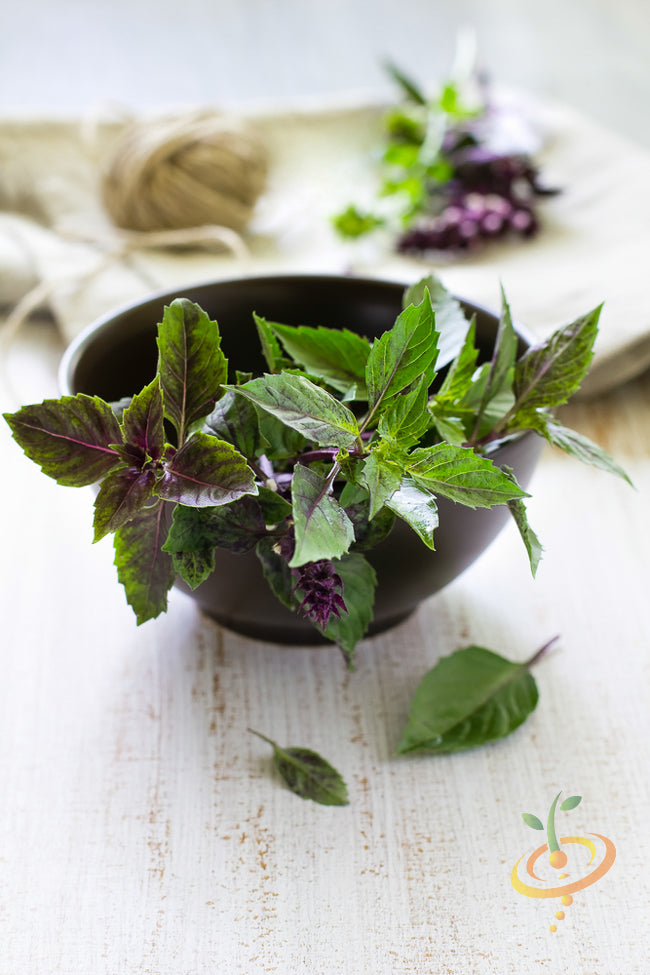
This basil variety produces lovely and flavorful green leaves with purple accents. It has a strong, but enjoyable licorice flavor and can grow up to 24" tall.

What is Licorice Basil?
This basil is a type of Thai Basil, also known as anise basil. It has strong licorice and anise flavors, qualities and aromatics. It's known to be slightly "lanky" with pointed green leaves with signature purple flowers. Both the leaves and flowers are edible on this plant.
Health Benefits of Licorice Basil
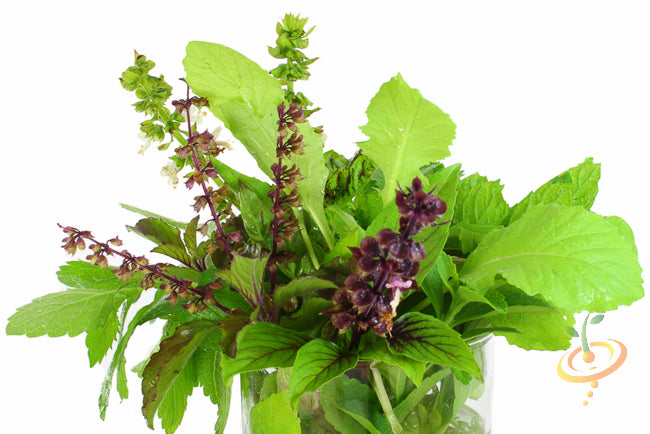
Licorice Basil can be used for treating the common cold, the flu, diabetes, asthma, bronchitis, earaches, headaches, upset stomachs, heart disease, fever, and more. It promotes longevity but something you may not know is that its an excellent mosquito repellent!

Ways to Consume Licorice BasilWhen Licorice Basil leaves are crushed, they burst with intense basil and licorice aromas. Fragrant and floral, the spicy paste is a condiment for multiple dishes. This basil is best when mixed with other ingredients to tame it's powerful one-dimensional notes.

See Basil Recipes & Growing Tips on our Pinterest Board
Shop all Basil Seeds Shop Good Companion Plants for Basil 📚 Grow Guide: Basil  From $099 USDUnit price /Unavailable
Description
Let us tell you about Lettuce Leaf Basil. It’s a lovely Italian basil that grows huge leaves as big as your hand, with a flavor that’s sweeter and less spicy than other basils. Its crinkles hold onto dressing in salads, you need only one leaf for a sandwich or wrap, and you can use the rest as you would any other basil. Save the edible flower spikes to garnish seafood dishes and cocktails.Harvest the leaves and stems from the top part of the plant, and pinch off edible flower buds as they appear, which prevents the leaves from turning bitter, and signals the plant to branch out and grow more leaves, making a bushier plant. The more you harvest, the more it grows!
- Sweet and mild
- Huge 5"-6" leaves
- Grows 1'-2' tall
- Good for containers
- Tons of medicinal benefits!
As a medicinal herb, Basil has been used internally to treat anxiety, colds, colic, cough, depression, diarrhea, fever, flatulence, flu, indigestion, insomnia, intestinal parasites and worms, exhaustion, gastric pain, gonorrhea, lactation problems, migraine headache, nausea, stomach cramps, sore throat, and vomiting, and externally to treat acne, insect bites and stings, loss of smell, skin problems, snake bites.
⚠️ Do not use medicinally while pregnant.
⚠️ Medicinal properties are presented as information only, and are not a recommendation or prescription for use. Consult a medical professional before using any herb medicinally.
As a companion plant, Basil attracts hummingbirds, pollinators, and beneficial insects, and repels asparagus beetles, cabbage moths, cabbage white butterfly, cabbage worms, carrot rust fly, flies, maggots, mice, mosquitoes, spider mites, thrips, and tomato hornworms.
Shop all Basil Seeds Shop Good Companion Plants for Basil 📚 Grow Guide: Basil Health Benefits of Genovese Basil
Basil is a known health tonic for expecting mothers and when mixed with tea it increases lactation in mothers. It is also a nerve tonic and young children are sometimes encouraged to chew on the leaves of basil because it stimulates brain cells and can increase memory.
See Basil Recipes & Growing Tips on our Pinterest Board
Shop all Basil Seeds Shop Good Companion Plants for Basil 📚 Grow Guide: Basil  From $099 USDUnit price /Unavailable
Description
Lemon Basil, also called Hoary Basil (for its fuzzy stems), is a hybrid cross between traditional basil and lime basil.The bright green leaves have a sweet lemony aroma and a tangy lemon-anise flavor that’s best used fresh in seafood dishes, fruit salads, lemonade, cocktails, and salad dressings. Add at the end of cooking to preserve the citrus flavor, then garnish with the edible flowers.
Harvest the leaves and stems from the top part of the plant, and pinch off edible flower buds as they appear, which prevents the leaves from turning bitter, and signals the plant to branch out and grow more leaves, making a bushier plant.
The more you harvest, the more it grows!
- Tangy lemon-anise flavor
- Culinary and medicinal
- Good for indoor gardens
- Good for containers
- Tons of medicinal benefits!
As a medicinal herb, Basil has been used internally to treat anxiety, colds, colic, cough, depression, diarrhea, fever, flatulence, flu, indigestion, insomnia, intestinal parasites and worms, exhaustion, gastric pain, gonorrhea, lactation problems, migraine headache, nausea, stomach cramps, sore throat, and vomiting, and externally to treat acne, insect bites and stings, loss of smell, skin problems, snake bites.
⚠️ Do not use medicinally while pregnant.
⚠️ Medicinal properties are presented as information only, and are not a recommendation or prescription for use. Consult a medical professional before using any herb medicinally.
As a companion plant, Basil attracts hummingbirds, pollinators, and beneficial insects, and repels asparagus beetles, cabbage moths, cabbage white butterfly, cabbage worms, carrot rust fly, flies, maggots, mice, mosquitoes, spider mites, thrips, and tomato hornworms.
Shop all Basil Seeds Shop Good Companion Plants for Basil 📚 Grow Guide: Basil Health Benefits of Lemon Basil
Basil is a known health tonic for expecting mothers and when mixed with tea it increases lactation in mothers. It is also a nerve tonic and young children are sometimes encouraged to chew on the leaves of basil because it stimulates brain cells and can increase memory.
See Basil Recipes & Growing Tips on our Pinterest Board
Shop all Basil Seeds Shop Good Companion Plants for Basil 📚 Grow Guide: Basil -
Basil, Italian Large Leaf seeds
From $099 USDUnit price /UnavailableDescription
Italian Large Leaf Basil has soft, crinkled, bright green 2"-4" leaves, and a sweeter flavor than the Genovese Basil.Aromatic and delicious, use it to flavor herbal tea, herb butter, oil, vinegar, pasta and pizza sauce, antipasto, smoothies, curries, cocktails, Caprese salad, dressing, and pesto. The edible flower spikes make a beautiful garnish. Reliable producer and all-around great Italian basil.
Harvest the leaves and stems from the top part of the plant, and pinch off edible flower buds as they appear, which prevents the leaves from turning bitter, and signals the plant to branch out and grow more leaves, making a bushier plant.
The more you harvest, the more it grows!
- Sweet and spicy with less clove
- Genovese type
- Grows 1'-2' tall
- Good for containers
- Tons of medicinal benefits!
As a medicinal herb, Basil has been used internally to treat anxiety, colds, colic, cough, depression, diarrhea, fever, flatulence, flu, indigestion, insomnia, intestinal parasites and worms, exhaustion, gastric pain, gonorrhea, lactation problems, migraine headache, nausea, stomach cramps, sore throat, and vomiting, and externally to treat acne, insect bites and stings, loss of smell, skin problems, snake bites.
YIELD Do not use medicinally while pregnant.
YIELD Medicinal properties are presented as information only, and are not a recommendation or prescription for use. Consult a medical professional before using any herb medicinally.
As a companion plant, Basil attracts hummingbirds, pollinators, and beneficial insects, and repels asparagus beetles, cabbage moths, cabbage white butterfly, cabbage worms, carrot rust fly, flies, maggots, mice, mosquitoes, spider mites, thrips, and tomato hornworms.
Shop all Basil Seeds Shop Good Companion Plants for Basil 📚 Grow Guide: Basil 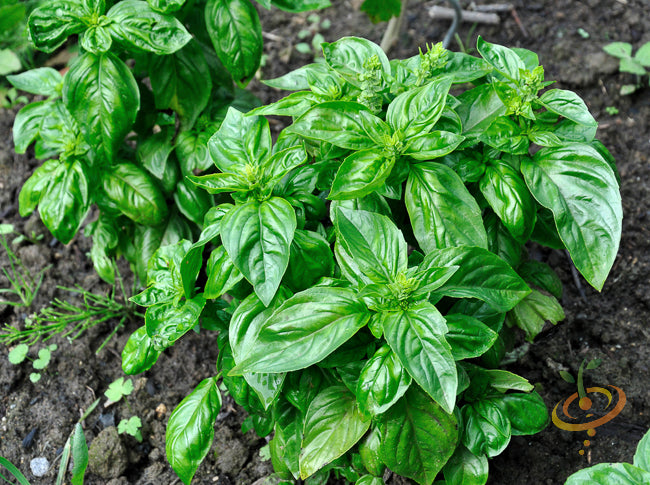
The Italian Large Leaf Basil plant will produce medium to large leaves that can measure up to 4" long! It is of heirloom variety and is extremely fragrant and used widely in the culinary industry. If you're a lover of basil, this would be a good variety to plant in your garden.

What is Italian Large Leaf Basil?
Italian Large Leaf Basil is an annual plant that will produce edible and fragrant leaves, flowers, and continue to put off a few more leaves through the process of ending it's life cycle. This basil grows well in "filtered light" (meaning near a bright window or under a tree), and it grows best in 50-90 degree weather. Warm, but not too warm.
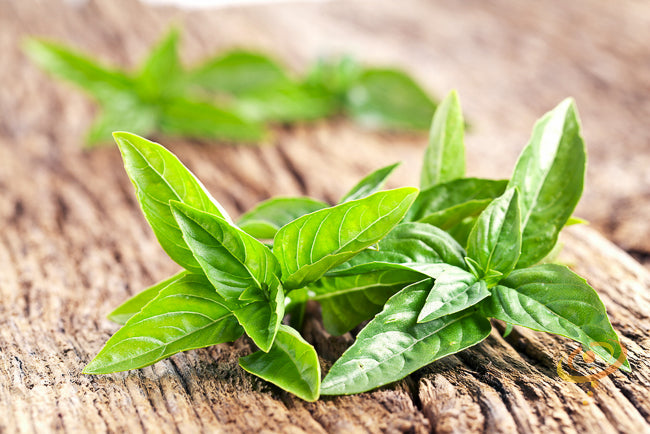
Health Benefits of Italian Large Leaf BasilItalian Large Leaf Basil has anti-bacterial properties and anti-inflammatory effects. It's been known to help people with inflammatory health problems like arthritis or IBS. Basil also contains properties that mimic food preservatives so it makes good sense to try and include more basil into the foods you prepare at home. Basil will help naturally preserve them so they'll be safer, longer. Basil also contains all the good stuff needed for better cardiovascular health.
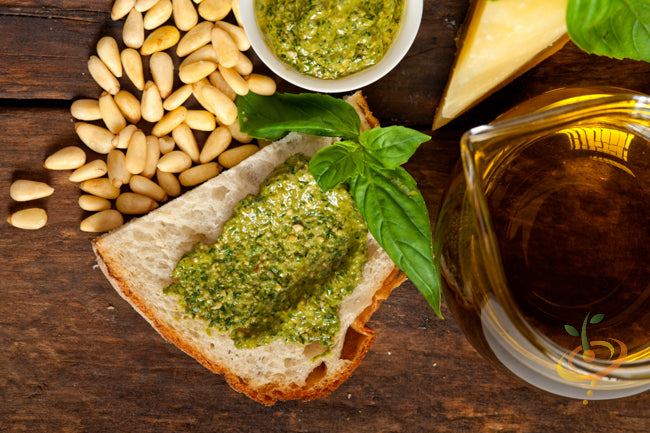
Ways to Consume Large Leaf Italian Basil
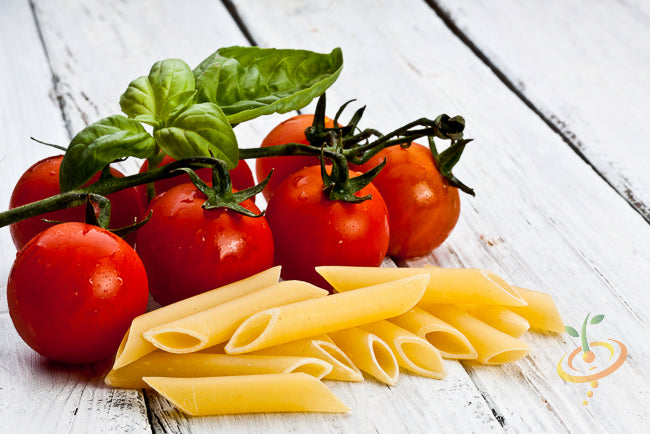
Use this variety of basil in your favorite Neapolitan cuisine dishes! Use the extra large leaves, fresh or dried, in tomato dishes, pasta sauces, vegetable dishes and soups.
See Basil Recipes & Growing Tips on our Pinterest Board
Shop all Basil Seeds Shop Good Companion Plants for Basil 📚 Grow Guide: Basil -
From $099 USDUnit price /Unavailable
Description
Enjoy some of our most popular varieties of Basil Herbs. This is a special blend of basil varieties we carry, sure to be a show stopper! You'll enjoy a wide variety of Basil plants with incredible fragrance and great flavors! Very easy to grow and extremely popular.
Best Seller!
See Basil Recipes & Growing Tips on our Pinterest Board:
Follow SeedsNow.com's board Basil on Pinterest.
Shop all Basil Seeds Shop Good Companion Plants for Basil 📚 Grow Guide: Basil -
From $099 USDUnit price /Unavailable
Description
Greek Basil is a small-leaf dwarf variety that grows into a tight dome, about 1’ tall and wide. A great one for containers, hanging baskets, and indoor gardens. The bright green, oval leaves and soft stems have hints of clove and anise, and keep their flavor when dried. Use this variety to flavor herb butters and vinaigrettes, and the edible flowers as a garnish or salad green.Harvest the leaves and stems from the top part of the plant, and pinch off edible flower buds as they appear, which prevents the leaves from turning bitter, and signals the plant to branch out and grow more leaves, making a bushier plant.
The more you harvest, the more it grows!
- Basil-clove-anise flavor
- Compact plant
- Good for indoor gardens
- Good for containers
- Tons of medicinal benefits!
As a medicinal herb, Basil has been used internally to treat anxiety, colds, colic, cough, depression, diarrhea, fever, flatulence, flu, indigestion, insomnia, intestinal parasites and worms, exhaustion, gastric pain, gonorrhea, lactation problems, migraine headache, nausea, stomach cramps, sore throat, and vomiting, and externally to treat acne, insect bites and stings, loss of smell, skin problems, snake bites.
⚠️ Do not use medicinally while pregnant.
⚠️ Medicinal properties are presented as information only, and are not a recommendation or prescription for use. Consult a medical professional before using any herb medicinally.
As a companion plant, it attracts hummingbirds, pollinators, and beneficial insects, and repels asparagus beetles, cabbage moths, cabbage white butterfly, cabbage worms, carrot rust fly, flies, maggots, mice, mosquitoes, spider mites, thrips, and tomato hornworms.
Shop all Basil Seeds Shop Good Companion Plants for Basil 📚 Grow Guide: Basil

See Basil Recipes & Growing Tips on our Pinterest Board
Shop all Basil Seeds Shop Good Companion Plants for Basil 📚 Grow Guide: Basil 
Basil, Genovese (Sweet Basil) seeds
From $099 USDUnit price /UnavailableDescription
Genovese Basil, also called Sweet Basil, has large, tender, fragrant leaves and sweet, spicy anise flavor. The best basil for pesto. The flower spikes dotted with tiny white edible flowers make a delicate garnish or salad addition. This heat-loving herb is a reliable producer and all-around great Italian basil.
Genovese Basil is a classic! It's prized for being sweet with undertones of a spicy flavor. You can't beat its aroma. These plants grow anywhere from 18"-24" inches and is the variety of choice for making pesto and adding to pizzas.Use it in pesto, pasta and pizza sauce, Caprese salad, antipasto, curries, cocktails, smoothies, dressing, herb butter, oil, vinegar, and herbal tea.
Harvest the leaves and stems from the top part of the plant, and pinch off edible flower buds as they appear, which prevents the leaves from turning bitter, and signals the plant to branch out and grow more leaves, making a bushier plant.
The more you harvest, the more it grows!
- Sweet and spicy
- Grows 2'-3' tall
- Besto for pesto
- Good for containers
- Tons of medicinal benefits!
As a medicinal herb, Basil has been used internally to treat anxiety, colds, colic, cough, depression, diarrhea, fever, flatulence, flu, indigestion, insomnia, intestinal parasites and worms, exhaustion, gastric pain, gonorrhea, lactation problems, migraine headache, nausea, stomach cramps, sore throat, and vomiting, and externally to treat acne, insect bites and stings, loss of smell, skin problems, snake bites.
⚠️ Do not use medicinally while pregnant.
⚠️ Medicinal properties are presented as information only, and are not a recommendation or prescription for use. Consult a medical professional before using any herb medicinally.
As a companion plant, it attracts hummingbirds, pollinators, and beneficial insects, and repels asparagus beetles, cabbage moths, cabbage white fly, cabbage worms, carrot rust fly, flies, maggots, mice, mosquitoes, spider mites, thrips, and tomato hornworms.
Shop all Basil Seeds Shop Good Companion Plants for Basil 📚 Grow Guide: Basil 
What is Genovese Basil?
The most commonly used basil variety for making pesto, you can harvest these leaves as soon as they are large enough to consume. Genovese basil is also known as "Sweet Basil" and a common ingredient to all Italian dishes. The leaves are spoon shaped, glossy and a dark green shade. It grows best in organic-rich and well drained soil and is an easy to grow annual herb that thrives in areas that remain above 50 degrees Fahrenheit.
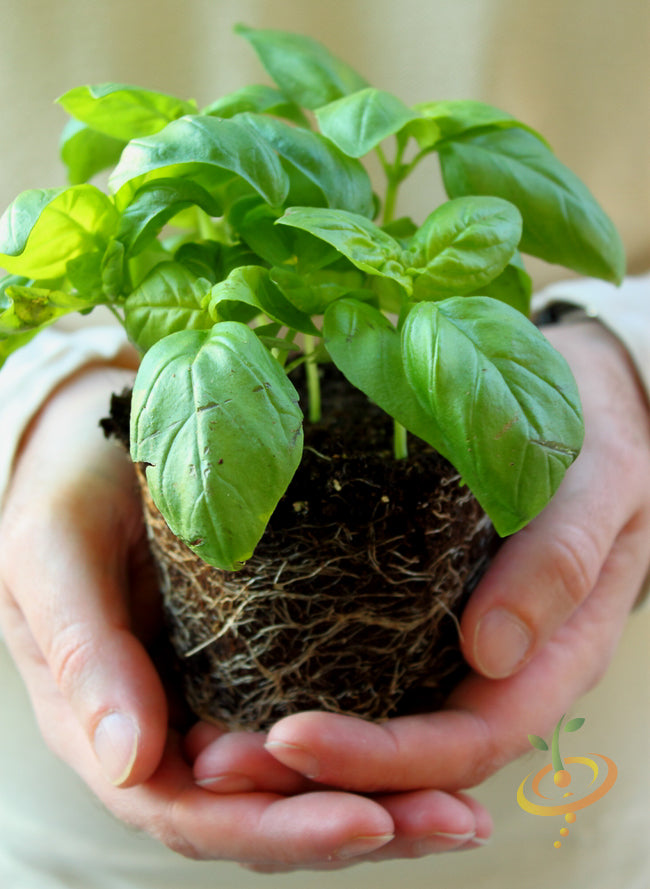
Health Benefits of Genovese BasilGenovese basil is a known health tonic for expecting mothers and when mixed with tea it increases lactation in mothers. It is also a nerve tonic and young children are sometimes encouraged to chew on the leaves of basil because it stimulates brain cells and can increase memory.

Ways to Consume Genovese BasilThe most popular use is in italian dishes and sauces, especially in genovese sauce and pesto. Genovese Basil goes great in caprese salads and on raw tomatoes for a light, healthy "summery" treat. Mix basil leaves with olive oil and freeze in ice-cube trays for flavored oils when cooking.
See Basil Recipes & Growing Tips on our Pinterest Board
Shop all Basil Seeds Shop Good Companion Plants for Basil 📚 Grow Guide: Basil -
From $099 USDUnit price /Unavailable
Description
Dark Opal Purple Basil is a dark, fragrant beauty with its glossy, deep black-purple leaves that shimmer with iridescence in bright light, plum-colored stems, and edible violet flower spikes that make a spectacular garnish. A 1962 All-America Selections Winner! This annual basil plant produces extremely fragrant dark purple leaves. It can be used as a garnish or to make flavored vinegars. This basil drys excellently and is very easy to grow. Gardening in a small space or wanting to use a container? This variety grows great in them!Use it to add sweet, intense anise flavor and a dreamy purple color to pesto or bruschetta, or mix it into a moody Caprese salad with Black Krim Tomatoes.
Harvest the leaves and stems from the top part of the plant, and pinch off edible flower buds as they appear, which prevents the leaves from turning bitter, and signals the plant to branch out and grow more leaves, making a bushier plant.
The more you harvest, the more it grows!
- Sweet, intense anise flavor
- Slow to bolt (flower)
- 1962 All-America Selections (AAS) Winner
- Good for containers
- Tons of medicinal benefits!
As a medicinal herb, Basil has been used internally to treat anxiety, colds, colic, cough, depression, diarrhea, fever, flatulence, flu, indigestion, insomnia, intestinal parasites and worms, exhaustion, gastric pain, gonorrhea, lactation problems, migraine headache, nausea, stomach cramps, sore throat, and vomiting, and externally to treat acne, insect bites and stings, loss of smell, skin problems, snake bites.
⚠️ Do not use medicinally while pregnant.
⚠️ Medicinal properties are presented as information only, and are not a recommendation or prescription for use. Consult a medical professional before using any herb medicinally.
Plant Basil in your garden to attract hummingbirds, pollinators, and other beneficial insects.
Basil is also know to repel aphids, asparagus beetles, cabbage moths, cabbage white butterfly, cabbage worms, carrot rust fly, flies, maggots, mice, mosquitoes, spider mites, thrips, and tomato hornworms!

What is Dark Opal Purple Basil?
This sweet and very popular variety of basil has gorgeous purple-black glossy foliage and a delicious aroma. It's eye catching and a beautiful, colorful garden plant. This basil produces small to medium sized, tender leaves. It is slow to bolt and grows at a steady pace. The dark purple has a green metallic undertone or sheen and in bright light it can appear flat and open.
Health Benefits of Dark Opal Purple BasilDark Opal Purple Basil has a variety of medicinal benefits and has been known to improve digestive functions, treat acne and insect bites, improve nausea, and work as a sedative for muscle spasms and cramps.
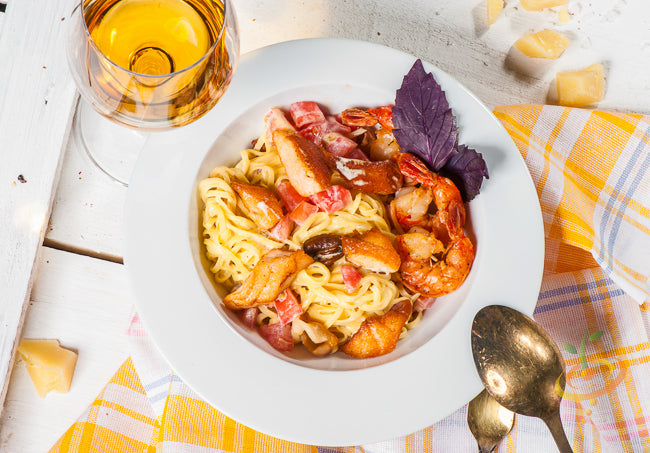
Ways to Consume Dark Opal Purple BasilLike many basil varieties, Dark Opal Purple Basil has a degree of licorice flavor, and it is used in the culinary world as an attractive garnish with good flavor. Use this herb fresh or dried and even frozen. It works wonderfully in salads and on sandwiches. The uses for this herb are endless and everyone should take advantage of this fresh and spicy leaf.
See Basil Recipes & Growing Tips on our Pinterest Board
Shop all Basil Seeds Shop Good Companion Plants for Basil 📚 Grow Guide: Basil -
Basil, Cinnamon (Mexican Basil) seeds
From $099 USDUnit price /UnavailableDescription
Cinnamon Basil, also called Mexican Basil, has glossy, deep green leaves that turn reddish at the tips when mature, and dark cinnamon-colored stems. Its warm, sweet cinnamon-anise flavor is especially nice in ham and pork dishes, apple pie and other desserts, and kombucha.
By far the most popular variety and possibly one of the most fragrant, this basil grows easily. Its aroma will remind you of sweet cinnamon and it is popular for use in hot drinks and paired with fresh fruit.
This sweet basil is exotic and has dark green leaves with purplish-red stems and purple blooms. It's spicy and has a cinnamon-like taste and scent. If you like making homemade potpourris or dried flower arrangements try adding some cinnamon basil!The violet flower spikes make an unusual garnish or addition to salads. Harvest the leaves and stems from the top part of the plant, and pinch off edible flower buds as they appear, which prevents the leaves from turning bitter, and signals the plant to branch out and grow more leaves, making a bushier plant.
The more you harvest, the more it grows!
- Cinnamon-anise flavor
- Tons of medicinal benefits!
- Good for indoor gardens
- Good for containers
As a medicinal herb, Basil has been used internally to treat anxiety, colds, colic, cough, depression, diarrhea, fever, flatulence, flu, indigestion, insomnia, intestinal parasites and worms, exhaustion, gastric pain, gonorrhea, lactation problems, migraine headache, nausea, stomach cramps, sore throat, and vomiting, and externally to treat acne, insect bites and stings, loss of smell, skin problems, snake bites.
⚠️ Do not use medicinally while pregnant.
⚠️ Medicinal properties are presented as information only, and are not a recommendation or prescription for use. Consult a medical professional before using any herb medicinally.
Plant Basil in your garden to attract hummingbirds, pollinators, and other beneficial insects.
Basil is also know to repel aphids, asparagus beetles, cabbage moths, cabbage white butterfly, cabbage worms, carrot rust fly, flies, maggots, mice, mosquitoes, spider mites, thrips, and tomato hornworms!
Shop all Basil Seeds Shop Good Companion Plants for Basil 📚 Grow Guide: Basil Health Benefits of Cinnamon Basil
Cinnamon basil is a must have, medicinal herb. It offers anti-inflammatory benefits and can relieve symptoms of arthritis! If you suffer from allergies, diabetes, colds, the flu, or infertility, some would swear by the benefits of consuming cinnamon basil and how it's improved their health. It is even used in the treatment of some cancers. It naturally boosts your immune system and is a known anti-bacterial and anti-viral. Are you growing this yet?...because you should be!
Ways to Consume Cinnamon BasilUse this exotic and fragrant basil in any recipe that calls for basil. The sweet flavor is great when paired with other fruity herbs. Pick the leaves when small and tender and use them in your favorite recipes or put them in bottles of olive oil to make cinnamon flavored oil. Cinnamon basil pairs harmoniously with apple pie filling, apple sauce, pork or ham dishes. Add frozen basil leaves to soups or sauces. Cinnamon basil can also be used to make refreshing teas, hot or cold!

See Basil Recipes & Growing Tips on our Pinterest Board
Shop all Basil Seeds Shop Good Companion Plants for Basil 📚 Grow Guide: Basil -
Asparagus - Mary Washington seeds
From $399 USDUnit price /UnavailableDescription

The Mary Washington Asparagus is a popular old heirloom variety that produces vigorous, uniform spears with a sweet, nutty flavor. Asparagus plants are perennials that can easily produce for 20+ years, so give this vegetable a permanent and sunny spot in your garden. To ensure many years of future production, wait until the second year to cut and consume the spears.
- Early producer
- Cold hardy, but protect from frost
- Easy to care for, once established
- Beautiful fern-like foliage lingers after harvest
Asparagus can be considered a power food among veggies. It is packed with vitamins and minerals, delivering a more complete balance than any other. Asparagus is a good source of vitamin A, B6 and C, as well as iron, potassium, riboflavin, niacin, and thiamine. It is high in fiber and low in carbohydrates, contains no fat, no cholesterol and has only 20 calories per 1/2 cup serving.
An established bed of 25 asparagus plants will produce about 10 pounds of asparagus per year.
• Shop all Asparagus (seeds)
• Shop all Asparagus (roots)
Shop Good Companion Plants for Asparagus 📚 Grow Guide: Asparagus -
Arugula - Roquette (Rocket) seeds
From $299 USDUnit price /UnavailableDescription

Roquette Arugula (also called Rocket) is one of the easiest leafy greens you can grow, and can be harvested as early as 20 days after planting. The young seed pods, flowers, leaves, and mature seeds are all edible. A member of the mustard family, the leaves of the Arugula plant add a deliciously tangy/peppery flavor to any meal.
- Easy to grow
- Entire plant is edible
- Frost tolerant
- Quick to mature — 20 days for baby greens!
Shop all Arugula Seeds Shop Good Companion Plants for Arugula 📚 Grow Guide: Arugula -
From $399 USDUnit price /Unavailable
Description

The Violet Star Artichoke is a dramatic alternative to the traditional Green Globe Artichoke. It produces a vibrant purple flower bud with a nutty flavor and creamy texture. Choose a sunny spot in your garden with lots of room for this dark beauty to grow. Artichokes are perennial plants that keep coming back bigger and more productive every year.
- Heat tolerant
- Drought tolerant
- Usually produces in 2nd year
- Perennial
 From $399 USDUnit price /Unavailable
Description

The Green Globe Artichoke produces a large, delicious green flower bud that opens into a purple thistle if left to flower. Choose a sunny spot in your garden with lots of room for this plant to grow. Artichokes are perennial plants that keep coming back bigger and more productive every year. For a dramatic difference in color, try growing the Violet Star Artichoke.- Drought tolerant
- Heat tolerant
- Usually produces in 2nd year
- Perennial
-
From $299 USDUnit price /Unavailable
Description

Anise (Pimpinella anisum), also called Aniseed, is a sweet, aromatic annual in the parsley family.
The leaves and flowers are lacy, delicate, and delicious, and plants can grow 2'-3' tall.
With a fresh licorice flavor, use as you would Tarragon and Fennel in both savory meat and vegetable dishes, salads and dressings, and sweet baked goods, such as biscotti.
Chew the seeds for a natural breath freshener and digestif. Its aromatic seeds are also used for cooking and herbal medicine.
You may be familiar with the anise flavor if you've had absinthe, as anise seeds are the basis for this famous alcoholic beverage.
- Licorice flavor
- Edible seeds and leaves
- Culinary and medicinal
- Good for containers
As a companion plant, it attracts pollinators and beneficial insects, and repels aphids, cabbage moths, cabbage white fly, cabbage worms, slugs, and snails, but is strangely irresistible to bears, deer, dogs, and mice.
As a medicinal herb, Anise has been used internally to treat bad breath, bloating, constipation, cough, flatulence, hot flashes, indigestion, lack of appetite, migraine headaches, and upset stomach, and externally to treat bronchitis, eye pain, and swelling.
⚠️ Medicinal properties are presented as information only, and are not a recommendation or prescription for use. Consult a medical professional before using any herb medicinally.
-
Angelica (Wild Celery / Holy Ghost) seeds
From $299 USDUnit price /UnavailableDescription
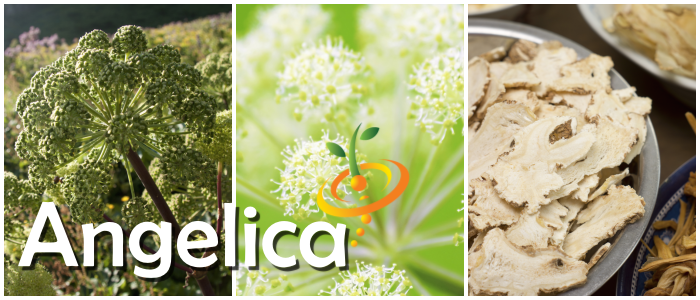
Angelica (Angelica archangelica), also called Wild Celery and Holy Ghost, is a fragrant herb in the carrot family. Like a carrot, it’s a biennial that flowers the second year, and it has a long thick root. But it’s not a carrot. For starters, it tastes like licorice. And the plant can grow to 4'-6' tall. It prefers cooler weather and growing near running water, so congrats if you’re gardening along the riverbanks of Utopia. The rest of us can just grow it in dappled shade and make sure the soil doesn’t dry out.
The flowers, leaves, seeds, stems, and roots are all edible. Peel the young, hollow, purple-tinged stems and use like celery, use the leaves like spinach, or make a tea from the leaves, flowers, seeds, and roots.
As a medicinal herb, Angelica has been used to treat anxiety, bladder infections, bronchitis, colds, cough, fever, flatulence, indigestion, insomnia, heartburn, lack of appetite, poor circulation, respiratory issues, typhus, and upset stomach.
Mild licorice flavorAll parts are edibleCulinary and medicinalGood fresh and cooked
As a companion plant, it attracts all sorts of friendly pollinators and beneficial insects.
⚠️ Medicinal properties are presented as information only, and are not a recommendation or prescription for use. Consult a medical professional before using any herb medicinally.
SEED PLANTING TIPS
- Botanical name: Angelica archangelica
- Life cycle: Herbaceous biennial
- Hardiness zones: 4-8
- Planting season: Spring, fall
- Days to maturity: 1-2 years; can begin harvesting when 6" tall
- Depth to plant seeds: Lightly cover - seeds need light to germinate
- Days to germinate (sprout): 14-28 days
- Germination soil temps: 60F-65F
- Spacing between plants: 18"-24" apart
- Spacing between rows: 24"-36" apart
- # of plants per sq. ft.: Appx. 1 plant per 2 sq. ft.
- Soil types: Clay, sandy, loamy, silty, moist, well-drained
- Soil pH: 4.5-7.4
- Sun needs: Full sun, part shade
- Water needs: High - keep soil moist
- Cold stratify: Yes
- Frost tolerant: Yes
- Heat tolerant: No
- Drought tolerant: No
- Deer resistant: No
- Culinary use: Yes
- Medicinal use: Yes
-
Amaranth - Tri Color (Joseph's Coat) seeds
From $399 USDUnit price /UnavailableDescription
Amaranthus tricolor, commonly known as Joseph's Coat, is a vibrant and visually striking flowering plant that is often utilized in ornamental gardening. This species is characterized by its broad, colorful leaves that can display a range of hues including red, yellow, and green. The plant typically reaches a height of 2 to 4 feet and can spread up to 3 feet wide, making it a prominent feature in garden landscapes.
One of the notable aspects of Amaranthus tricolor is its adaptability to various soil types. It thrives in well-drained soils and can tolerate poor soil conditions, which makes it an excellent choice for gardeners looking to enhance their landscapes with minimal maintenance. The plant prefers full sun exposure, requiring at least six hours of direct sunlight each day to achieve optimal growth and color vibrancy.
In terms of cultivation, Amaranthus tricolor is relatively easy to grow from seeds. The seeds should be sown directly into the garden after the last frost date, as the plant is sensitive to cold temperatures. Germination typically occurs within 7 to 14 days under suitable conditions. Once established, the plant is drought-tolerant, requiring watering only during prolonged dry spells.
From a nutritional perspective, Amaranthus tricolor is not only ornamental but also edible. The young leaves can be harvested and consumed in salads or cooked as a green vegetable, providing a source of vitamins A and C, as well as essential minerals. This dual-purpose nature enhances its appeal for gardeners interested in both aesthetics and food production.
Furthermore, Amaranthus tricolor attracts beneficial insects, such as pollinators, which can enhance the overall health of the garden ecosystem. The flowers, which are small and clustered, bloom throughout the summer and into the fall, providing a continuous source of color and attracting various species of bees and butterflies.
In conclusion, Amaranthus tricolor is a versatile and attractive addition to any garden. Its vibrant foliage, ease of cultivation, and nutritional benefits make it a valuable choice for both ornamental and edible gardening. Gardeners should consider incorporating this plant into their landscapes to enjoy its beauty and contributions to biodiversity.
Health Benefits of Amaranth
Do you have grey hair? Amaranth helps to prevent premature graying, mainly due to the minerals it contains. It helps to lower bad cholesterol and also can reduce inflammation and ease pain. Especially important for people suffering from diabetes, heart disease, and stroke. Great for tackling high blood pressure and may even help prevent cancer. Don't forget it is a wonderful source of protein.
Ways to Consume Amaranth
Amaranth is a lot like quinoa as far as being a "protein packed" seed. You can roast, pop, or boil these seeds. Use as a breakfast cereal, or combine it with other grains. Amaranth is a wonderful soup thickener because of it's gelatinous quality when cooked. Cook the leaves of the Amaranth plant, similar to how you would cook/use spinach leaves.
See Amaranth Recipes & Growing Tips on our Pinterest Board
-
From $399 USDUnit price /Unavailable
Description
With its showy display of cascading red flowers, Red Garnet Amaranth is both beautiful and delicious. You can cook the leaves as you would any other green, and harvest the seeds for a healthy grain that's rich in minerals and protein.
- Easy to grow.
- Heat tolerant.
- Drought resistant.
- Can grow to 10+ feet with the right soil and growing conditions.
-
All-in-One WORLD'S Hottest Peppers 🥵🔥🌶️ Variety Pack
$3999 USD$5499Unit price /UnavailableDescription
This curated assortment brings together 15 of the world's most sought-after hot pepper seed varieties. From Ghost Peppers and beyond, each variety delivers distinct flavor profiles alongside serious Scoville ratings.
What are Scoville heat units (SHU)? Scoville Heat Units measure the spiciness or pungency of peppers and spicy foods. The scale was developed in 1912 by pharmacist Wilbur Scoville, who created a standardized method to quantify capsaicin—the compound responsible for a pepper's heat. The Scoville scale ranges from 0 SHU (bell peppers) to 1 million SHU (Ghost Pepper). Each unit represents the amount of capsaicin present. A pepper rated at 50,000 SHU is fifty times hotter than one rated at 1,000 SHU.
Includes one (1) sampler pack of each the following: 
Scoville heat units (SHU): 800,000-1,000,000!!!! 🔥🔥🔥🔥🔥🔥
The Ghost Chili Pepper (Bhut Jolokia) may look like a little wrinkled whoopee cushion, but this pepper is no joke. One of the hottest peppers in the world. This 2"-3" conical fruit ripens from green to orange to red, with a sweet, fruity flavor that you’ll be able to taste for about 30-45 seconds until the heat creeps in and lights your mouth on fire. 🥵 Contains appx. 5 seeds

Scoville heat units (SHU): 300,000-500,000 🔥🔥🔥🔥🔥
The Yellow Devil’s Tongue pepper plants produce legions of 2"-3" tapered fruits that wrinkle and ripen from light green to bright yellow to golden yellow, and have a sweet, citrusy flavor. If you’re tempted to set your own tongue ablaze and have idle hands, push up some daisies and plant this pepper. Makes a scorching hot sauce or wicked pickles. Contains appx. 10 seeds
Scoville heat units (SHU): 200,000-350,000 🔥🔥🔥🔥
An edible ornamental, the Pretty Purple Pepper loves an audience. Compact plants produce an ensemble of 1"-2" tapered fruits that lift their tips in a glorious chorus line of mini rockets, going through several costume changes in green, purple, yellow, orange, and red. The show goes on when you bite into one. With a searing purple heat in tune with the Habaneros and the Scotch Bonnets, you’ll be singing and dancing in your own Broadway musical. Contains appx. 15 seeds
Scoville heat units (SHU): 100,000-350,000 🔥🔥🔥
If you’ve ever wondered if the sun has a flavor, the Yellow Scotch Bonnet Pepper is your answer. This deeply lobed fruit that resembles the folds of a Scottish cap is sweet and fruity, and hot enough to break a wild horse. The generous plant produces 1"-2" fruits that ripen from green to yellow to yellower. This sunny little pepper is a key ingredient in Jamaican foods for unique flavor and scorching heat, and can easily ignite all of your recipes. Contains appx. 10 seeds
Scoville heat units (SHU): 100,000-350,000 🔥🔥🔥🔥
The Red Scotch Bonnet Pepper is so named because its defined lobes resemble a Scotsman’s tam o’ shanter hat. Also called the Caribbean Red Pepper, the stout little fruit is sweeter and fruitier than its cousin, the Habanero, and hot enough to make a bird fly north for the winter. The plant puts out loads of 1"-2" green waxy fruits with thin skin that ripen through yellow, orange, and red. Its extreme heat and unique flavor is traditionally used in Caribbean hot sauce and jerk seasoning, but will be just as tasty and burn just as hot in any of your recipes. Contains appx. 10 seeds

Scoville heat units (SHU): 400,00-600,000 🔥🔥🔥🔥
The Chocolate Habanero Pepper is a prolific plant that produces lots of 2" waxy nuggets that ripen from dark green to reddish brown. Twice as hot as other Habanero peppers, with a distinct flavor. First, a smoky earthiness drives up, then a fruity sweetness hops in the car, and soon you’re off at 600,000 SHUs, entering the on ramp to Ghost Pepper territory. Use it to spice up everything from margaritas to mango salsa to marinated brisket, and yes, even chocolate. Contains appx. 15 seeds

Scoville heat units (SHU): 400,00-600,000 🔥🔥🔥🔥
The sweet, citrusy flavor, tropical fragrance, and lush green foliage of the Red Caribbean Habanero will remind you of a beach vacation. And so will the searing heat! Produces loads of small 1"-2" wrinkled fruits that twinkle in colors ranging from key lime green to sunrise yellow to sunset orange to sunburn red. Use it to make some haba-haba salsa, broiled halibut with charred pepper cream sauce, or spicy pineapple ice cream. Contains appx. 10 seeds

Scoville heat units (SHU): 200,000-300,000 🔥🔥🔥🔥
Yellow like the sun and hot as blazes describes the Lemon Habanero Pepper. If that scares you, there’s a Yellow Banana Pepper and a cup of milk waiting for you in the nursery. Everyone else can pull up a chair to the big kids’ table. This prolific plant produces lots of 2" wrinkled, waxy fruits that ripen from bright green to bright yellow to smoky golden yellow. The fruity fragrance draws you in, the citrusy flavor sits you down, and then 200,000-300,000 Scoville heat units (SHUs) of pure heat blaze across your tongue. Where’d you say that milk is again? Contains appx. 10 seeds

Scoville heat units (SHU): 200,000-300,000 🔥🔥🔥🔥
The Orange Habanero Pepper is the kind of pepper that makes you want to check your garden several times a day to see how orange it can get. Very. The kind of pepper that makes you wonder if you can add it to a dish with all orange ingredients like chorizo, carrots, and sweet potatoes. Yes. Or how about with apricots and cantaloupe? Contains appx. 15 seeds

10. Habanero, White
Scoville heat units (SHU): 100,000-300,000 🔥🔥🔥🔥
The White Habanero Pepper produces lots of small 1"-2" fruits, all of them infused with smoky, sweet flavor and a heat like white lightning. These little thunderbolts start out green and ripen to a glossy pearl. Use them to wake up a pot of white bean chicken chili or add a flash of fire to a jar of mayonnaise. Contains appx. 15 seeds

11. Tepin
Scoville heat units (SHU): 50,000-100,000 🔥🔥🔥
The Tepin Pepper is a tiny treat with a lot of heat. Compact, vigorous plants produce lots of juicy, pea-sized fruits that are hot enough to make a cookie crumble. This is a perennial bush in warmer locations, so if it survives the winter, it will grow back bigger and more productive. Use it to heat up anything from honey to menudo to ice cream. Contains appx. 10 seeds

12. Thai
Scoville heat units (SHU): 50,000-100,000 🔥🔥🔥
The Thai Hot Pepper hits every type of cuisine with a delightful bolt of lightning. This compact plant throws out lots of slender 1"-3" fruits that grow with their tapered tips up, maturing from popping green to crackling yellow to flashing orange to sizzling red. A type of Bird Pepper, the plant grows to only about 8" tall, so you can plant several close together for a striking ornamental border and more tasty peppers, or interplant throughout the garden. Contains appx. 10 seeds

13. Firecracker
Scoville heat units (SHU): 80,000-100,000 🔥🔥🔥
The edible ornamental Firecracker Pepper sends showy clusters of 1" tapered fruit up and out, like a Roman candle, producing bursts of white, green, lavender, yellow, orange, and red, as it moves into full ripeness. When you get past the sensation that you’ve just eaten a flare, you’ll taste some fruitiness. Adds a sparkle of color and spiciness to any dish or marinade. Contains appx. 10 seeds
14. NuMex, Twilight
Scoville heat units (SHU): 30,000-50,000 🔥🔥🔥
The NuMex Twilight Pepper may be slow to mature, but when it does, it’s full of surprises. Small 2" fruits start out purple rather than green, then ripen through yellow, orange, and red. The peppers point up toward the sky, like flowers, and all four colors adorn the compact 1'-2' plant at the same time, turning this edible ornamental into a living bouquet of salty, slightly bitter peppers so blistering hot, you’ll want to report them to the sheriff. Plant several close together as a border, or grow one in a special pot on the patio. Use as you would any other criminally hot pepper. Contains appx. 10 seeds

15. Cayenne, Red
Scoville heat units (SHU): 30,000-50,000 🔥🔥🔥
The Red Cayenne Pepper will put a hop, a skip, and a kick in your step. Slender, glossy 5"-6" fruits grow abundantly on strong plants, bounding through all the primary colors as it matures from green to yellow to orange to red. Primarily used as a dried spice, but can be used fresh to rev up a salsa or to make pickling brine howl. Contains appx. 10 seeds
-
All-in-One Vine Teepee Variety Pack
$2999 USDUnit price /UnavailableDescription
NEW! Vine Teepee Garden Variety Pack includes an assortment of our 10 most popular seed varieties that climb, up a vine! Vine teepees add a whimsical touch to your garden. They are not only fun to look at but are extremely functional because they save space in the garden by using vertical gardening techniques. You'll be able to grow more using less space.
You can build teepees using free materials such as old branches from a nearby tree, which makes them even more desirable! Free garden projects are always a bonus. You can also use bamboo or other wooden stakes that you may have access to!Read: How to Build a Vine Tee-Pee
These seed varieties all wonderful to plant around your teepee and will thrive on a structure like this.
Includes: 
1. Bean, Lima/Pole - King of the Garden
With a name like King of the Garden Lima Bean, you can expect great things. This pole bean produces prolific yields of 7" pods full of large white lima beans with sweet, smooth flavor. Vines can grow 9'-10' high. Will continue to blossom and produce throughout the hot summer months. Cook them before you eat! Appx. 10 seeds

The Rattlesnake Pole Bean is as delicious as it is beautiful. Long purple-and-green streaked pods dangle from strong 10' vines, with streaked beige beans inside. Like its namesnake, it’s not bothered by heat, humidity, or drought. If you hear it rattle, it has probably dried on the vine. Grow alongside other streaked beans, like Tongue of Fire and Borlotti. Appx. 20 seeds

3. Bean, Runner/Pole - Scarlet Runner
The Scarlet Runner Pole Bean is just about as traditional a vegetable you can grow in your garden. Named for its showy red hummingbird attractors (flowers) it puts out on 6'-8' vines that will grow on fences, trellises, and yes, poles. This high-yielding runner bean produces foot-long pods with speckled red-purple beans, but pick them sooner for best flavor. Tolerates heat and drought, and doesn’t mind cool nights.

The Ever-bearing cucumber is one of the most popular cucumbers you can grow. As its name implies, this cucumber variety continues to grow as its fruits are picked. Crisp fruit with excellent flavor and crunch. Vigorous vines loaded with fresh cucumbers all season. Great for table use, slicing, pickling and/or processing. Appx. 10 seeds

The Space Master Cucumber is an ideal choice for gardeners seeking high yields in limited space. This compact variety thrives in garden beds and containers, producing crisp, flavorful cucumbers with minimal vine spread. Its disease resistance and rapid growth make it suitable for both novice and experienced growers aiming for efficient, productive harvests. Perfect for fresh salads or pickling, the Space Master cucumber combines superior quality with space-saving benefits. Appx. 10 seeds

The Straight Eight cucumber variety is a popular heirloom type of cucumber ideal for slicing and/or for eating fresh right off the vine. They're great when eaten fresh or used in salads. Pick them off the vine as soon as they are 8" long. Easy to grow and excellent flavor. Appx. 10 seeds

6. Melon (Cantaloupe) - Hales Best Jumbo
The Hales Best Jumbo is a cantaloupe that yields large, oval, ribbed fruits weighing up to 5 to 6 pounds. A traditional favorite. Heavy netting and fine textured with a bright orange flesh. Holds a sweet flavor longer than most. Drought tolerant variety that thrives in warm temps. Excellent source of vitamin C. Appx. 10 seeds

7. Nasturtium - Tall Trailing Mix Flowers
This fast-growing, vine-like or "trailing" plant can easily reach 10 feet in length by the end of the growing season! Perfect for growing along fences, or above retaining walls. It boasts colorful flowers in many shades of yellow, orange and even occasionally red. Appx. 15 seeds

The Delicata Squash are 8" long by 4" wide and have the most amazing exterior. Grows as a vine. Has a sweet potato flavor. Vine type plant is perfect for small gardens. Amazing flavor. 80 days to maturity. Appx. 10 seeds

9. Pea (Snow) - Mammoth Melting Sugar
This popular pea variety is sweet, sugary and tender. This edible pod snow pea has made its place in home gardens for many years. These pea pods are some of the biggest (appx. 4-5"). Makes for an excellent addition to stir fry. Big white flowers are an bonus as they quickly turn into tasty peas. This pea has been so successful it has been considered a commercial variety for generations. Appx. 15 seeds
☞ Want to learn more? Constructing a vine teepee is easy and requires only a few materials!
-
How to make a vine teepee:
https://www.seedsnow.com/blogs/news/13179009-how-to-make-a-bean-teepee
-
Learn more about vine teepees:
https://www.seedsnow.com/blogs/news/28484993-how-to-build-a-vine-tee-pee

-
How to make a vine teepee:
-
All-in-One Sprouts/Microgreens Seed Bank w/Sprouting Jar
$6999 USD$7999Unit price /UnavailableDescription
The all-new Micro-Greens & Sprouts Seed Bank includes everything you need to start growing fresh nutrient-rich sprouts in as little as 3 days!
Includes Large Glass Mason JarEach and every living seed will grow into a plant. It's when that seed begins to grow (germinate) that we call the beginning growth stage of the plant a "sprout". This is the practice of germinating seeds to be eaten either raw or cooked. They are a convenient way to have fresh vegetables for salads, or otherwise, in any season and can be germinated at home or produced industrially. Sprouts are said to be rich in digestible energy, vitamins, minerals, amino acids, proteins, and phytochemicals! In as little as 3 days you will be able to start eating your fresh sprouts! Super easy to grow and extremely healthy for you.
Includes:
- 6 of our most popular seed sprouting varieties
- Large glass mason jar and sprouting lid
- Step-by-step sprouting instructions
- Resealable Mylar packaging for long-term seed storage
1. Garlic Chives - Appx. 13,500 seeds!
-
Days before you can eat them | 3-7 days
- Garlic Chives will produce shoots that grow to a mature height of roughly 12 inches tall. Popularly used to flavor potatoes and salads, Chives are not only tasty, but are also attractive as well. Each plant displays white colored flowers atop slender stems / shoots. Flowering much later than traditional Chives, it’s Garlic twins will bloom within the heat of the summer months. The shoots, once cut will add a slight garlic & onion flavor to any dish that they are added to. The flowers also add a mild onion/garlic flavor and can be used as a garnish.
2. Clover Appx. 45,000 seeds!-
Days before you can eat them | 2-5 days
- If you like alfalfa sprouts then you’ll love the sweet mild flavor of red clover sprouts from clover seed. These sprouts are actually larger and more flavorful than alfalfa sprouts and make a great addition to sandwiches and salads.
3. Radish Appx. 5,000 seeds!!
- They're easy to grow - and - taste great. Hints of pepper flavor. Radish sprouts have gained popularity in recent years.
4. Broccoli Appx. 35,000 seeds!!! -
Days before you can eat them | 3 - 5 days
-
An easy to grow sprout that is extremely nutritious. Broccoli sprouts are 10x - 100x higher in some cancer fighting compounds than the actual mature vegetable. Certified Organic.
5. Alfalfa Appx. 20,000 seeds!!-
Organic alfalfa sprouts deliver nutrient-dense greens in just 5-7 days using simple indoor sprouting methods. These seeds germinate reliably in mason jars, sprouting trays, or dedicated sprouters without soil, making them ideal for year-round cultivation regardless of outdoor conditions. Enjoy crisp, tender sprouts in salads, sandwiches, and smoothies within days of starting your crop.
6. Red Kale Appx. 23,000 seeds!! -
Days before you can eat them | appx. 5 to 7 days
- Kale micro-green sprouts are really easy to grow. Just let them grow until you see the first set of true leaves. Perfect for a micro-green salad. Makes a great addition to many culinary dishes. These sprouts have a mildly sweet flavor.
Steps for Sprouting Seeds
The easiest method of growing sprouts is to use a Mason jar. The key is to provide plenty of fresh air to enter the jar and only cover the top with a mesh screen.
Step 1: Soaking
For a quart-sized jar, put 1 ½ to 2 tablespoons of small seeds (up to 1 cup if using larger seeds like green peas or garbanzo) in the sprouting jar. Cover top of jar with cloth or sprouting lid and rinse the seeds in warm (not hot) water. Drain and refill so that water is about an inch above the seeds. Let the seeds soak 8-12 hours (overnight). Protect from light by covering with a dish towel or placing in a cupboard.
Step 2: Rinsing
Rinse 2 to 3 times per day for 2 to 3 days. After thoroughly draining the rinse water, lay the jar on its side to spread out the seeds. Do not expose to light. After 2 to 3 days the sprouts should be filling up the jar.
Things to Remember:1. Rinse often (2-3 times/day).
2. Keep them moist, not wet.
3. Keep them at room temperature.
4. Give them air to breathe.
5. Don't grow too many in one container.
6. Keep them in a dark place.
-
All-in-One Spring/Summer Garden Variety Pack
$3999 USDUnit price /UnavailableDescription
All-in-One All-in-One Spring/Summer Variety Pack includes an assortment of our 15 most popular varieties that grow best during the spring & summer months.The seeds are all individually packaged for long-term storage and maximum seed protection.Includes all of the following varieties:1. Basil, Genovese (appx. 120 seeds)
Genovese Basil is a classic! It's prized for being sweet with undertones of a spicy flavor. You can't beat it's aroma. These plants grow anywhere from 18"-24" inches and is the variety of choice for making pesto and adding to pizzas.2. Carrot, Tendersweet (appx. 160 seeds)
One of the sweetest and best tasting carrots you can grow. Skinny 7" tapered roots. Easy to grow. Carrots are a sun-loving plants that also like the cold. Just keep them consistently watered and they'll be happy.3. Chives (appx. 115 seeds)
Also known as Garlic Chives. A perennial plant that grows narrow, grass-like leaves that have a mild onion-like flavor.- Chives are rich in vitamins A and C, contain trace amounts of sulfur, and are rich in calcium and iron. Used for many culinary creations. Perfect for containers and small spaces. The plant will grow to about 12" tall4. Cilantro/Coriander (Appx. 80 seeds!)
This slow-bolting strain is grown primarily for its broad, deep green, celery-like, pungent foliage. Used in Oriental and Mexican cuisine. Use seed to flavor meats, pickles and baked goods5. Cucumber - Marketer (appx. 30 seeds)
The Marketer cucumber is a popular All-America Selections (AAS) Winner! Produces extremely flavorful 9" long dark green cucumbers. Excellent for slicing and salads. Perfect for any sized home garden (and market growers).6. Mint, Spearmint (appx. 280 seeds)
Spearmint is typically used in teas, jellies, deserts, and salads. Extremely fragrant. Sweet smelling. Mentha spicata. Perennial. Can be used as a garnish on ice cream and drinks.7. Pea, Oregon Sugar Pod (appx. 280 seeds)
Mammoth type snow pea with excellent flavor and easy to grow Excellent quality, string present as pod matures. Resistant to Enation Virus, Powdery Mildew and Common Pea Wilt. Vine height 16-30". 4" light green pea pods.
8. Pepper, California Wonder Bell Pepper (appx. 280 seeds)
Large yields of large, mostly 4 lobed, thick-walled fruit that is mild and sweet.Day to Maturity: 75 days9. Pepper, Jalapeno (appx. 25 seeds)
Slightly larger fruit and taller plant with heavy yield. This Jalapeno pepper will produce over a longer period of time. Days to Maturity: 70 days10. Rosemary (appx. 20 seeds)
Excellent flavor. Extremely fragrant. Perfect to use fresh or dried. Can be used to flavor many culinary varieties such as meats, soups, and sauces. Can be used for treating headaches and known to improve circulation. Perfect for containers. Plant Height: 36"11. Squash (Summer) - Black Beauty Zucchini (appx. 10 seeds)
An All America Selections (AAS) Winner. The Black Beauty Squash is one of the most popular varieties on the market. Grows as a compact bush size plant (not as a vine). Produces a dark green, glossy fruit, which is long, straight & slender. Firm, very tender, with excellent flavor.
12. Squash (Summer) - Yellow Crookneck (appx. 10 seeds)
The Early Summer Crookneck is a popular Heirloom squash variety that grows extremely quickly - only 45 days!- Grows as a compact bush size plant (not as a vine)- Produces delicious and beautiful yellow 8" long fruits with a thin curving neck- Fast-growing summer squash produces large yields- Perfect for growing in small spaces13. Thyme (appx. 350 seeds)
Plant spreads to form attractive 8 to 12 inch high mounds.- Aromatic and flavorful leaves- Used to flavor meats, dressings, soups, and stews. Day to Maturity | 80 days14. Tomato, Red Cherry (appx. 15 seeds)
The Small Red Cherry tomato plant produces a lot of small red tomatoes on a tall plant.- Grows 1 1/4" large, sweet, and firm fruits.- Continues to grow for an extended period of time.- Cherry tomatoes have some of the most excellent flavor.- Very easy to grow.- Indeterminate.15. Tomato, Roma (appx. 15 seeds)
Excellent yields of bright red, medium-small, large shaped fruits. Popular for cooking, canning, and paste. Very popular variety. Produces vigorous vines.
Determinate. -
All-in-One Root Crop Garden Variety Pack
$3999 USDUnit price /UnavailableDescription
All-in-One Root Crop Variety Pack includes an assortment of our 15 most popular varieties. Seeds are all individually packaged with a zip-lock Mylar bag system for long-term storage & maximum seed protection. Includes all of the following varieties:
1. Beet - Boltardy (Appx. 20 seeds)
-
The Boltardy Beet is a Detroit-type beet originating from Holland which has a beautiful deep-red, ringless flesh and very smooth skin. Boltardy Beets are extremely hardy. Can withstand cool weather. Highly resistant to bolting. 60 days Days to Maturity

2. Beet - Bulls Blood (Appx. 20 seeds)
- This heirloom beet is grown for its tender, sweet, deep red-burgundy foliage, but the beets are tasty when harvested when they are 2 - 3". The leaves reach 18" tall. Its dark leaves contrast nicely with many garden plants. Easy to grow. 60 Days to Maturity

3. Beet - Chioggia (Appx. 20 seeds)
- A rare heirloom beet variety introduced to the United States in the 1840's from Italy. The Chioggia beet produces excellent yields of some of the sweetest pink skinned beets. Chioggia beets have red & white rings. Perfect for juicing, boiling, pickling, baking, and/or freezing. Leaves can also be used as greens. 60 Days to Maturity

4. Beet - Detroit Dark Red (Appx. 20 seeds)
- This is an all-time favorite beet variety. Recommended by USU. The most popular beet on the market. The 2 ½ to 3 inch globe shaped roots are tender and sweet. The roots and leaves of the beet have been used in folk medicine to treat a wide variety of ailments. 60 Days to Maturity

5. Beet - Early Wonder (Appx. 20 seeds)
- Early, round, smooth-skinned beets are exceptionally tender. Ready to harvest in as little as 50 days! Easy to grow. 50 Days to Maturity

6. Carrot - Amarillo Yellow (Appx. 120 seeds)
- Amarillo Yellow heirloom carrot has an 8" long yellow root with bright yellow flesh. Sweet flavor and extremely tender. Easy to grow. Grows well in containers and raised beds. Very popular heirloom variety. 75 Days to Maturity

7. Carrot - Autumn King (10" long) (Appx. 100 seeds)
- The Autumn King carrot is one of the more popular varieties to grow. It's split-resistant skin turns to a deep dark orange/red color as it matures. One of the largest of carrots! Grows 10" - 12" long. Easy to grow in sandy soil. A favorite to many home growers. 70 Days to Maturity

8. Carrot - Danvers (7" long) (Appx. 150 seeds)
- The Danvers carrot outperforms all other carrots in heavier soils. 7" long and 2" thick with thickly tapered ends. Tender and very sweet. Carrots are a sun-loving plants that also like the cold. Just keep them consistently watered and they'll be happy. 70 Days to Maturity

9. Carrot - Little Fingers (4" long) (Appx. 200 seeds)
- The Little Finger carrots are one of the quickest to grow. 4" cylindrical roots Very tender and sweet variety. Many can be grown in a small space. Carrots are a sun-loving plants that also like the cold. 50 Days to Maturity
10. Radish - Easter Egg (Appx. 120 seeds)
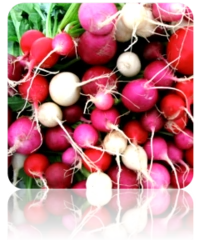
- The Easter Egg Radish is just as the name suggests ... a mix of flavorful multi-colored radishes! Radishes are red, pink, purple, violet, and white. Excellent in salads. Extremely easy to grow. Grows well in small spaces. 40 Days to Maturity

11. Radish - Pink Beauty (Appx. 160 seeds)
- Produces beautiful pink radishes with a white flesh. Looks amazing! Great for culinary dishes. The white flesh is crisp and mild in flavor. Great for selling at farmers markets. Unique and rare heirloom radish. Grows well in containers and small spaces. 30 Days to Maturity

12. Rutabaga - American Purple Top (Appx. 100 seeds)
- Recommended by USU. Large 5 to 6 inch roots are purple and yellow colored, nearly round. Flesh is yellow, mild and fine grained. 90 Days to Maturity

13. Turnip - Purple Top / White Globe (Appx. 100 seeds)
- Smooth round roots, 4 to 6 inches across are purple on top and white below. Flesh is white, mild, and crisp. Stores well Extremely healthy and nutritious. Very easy to grow. 55 Days to Maturity

14. Turnip - Golden Globe (Appx. 140 seeds)
- A beautiful and delicious turnip with golden color and amazing flavor. The quality and tenderness is best when harvested at 3”. Plant in early spring and/or fall. 55 Days to Maturity

15. Parsnip - Harris Model (Appx. 50 seeds)
- Harris Model Parsnips are 3½" in diameter by up to 12" long. The flesh is white and extremely tender. One of the most popular parsnip varieties around! Very easy to grow - similar to carrots.
-
The Boltardy Beet is a Detroit-type beet originating from Holland which has a beautiful deep-red, ringless flesh and very smooth skin. Boltardy Beets are extremely hardy. Can withstand cool weather. Highly resistant to bolting. 60 days Days to Maturity
-
All-in-One Quick-to-Mature (45 days or less!) Garden Variety Pack
$3999 USDUnit price /UnavailableDescription
NEW! Quick-to-Mature Garden Variety Pack includes an assortment of our 15 most popular seed varieties that mature super fast!Features a carefully curated assortment of seeds that mature in ONLY 45 DAYS OR LESS, making it an ideal choice to enjoy the fruits of your labor in a short amount of time. By selecting this pack, you can expect not only a bountiful harvest but also the satisfaction of cultivating your own food -- extremely quickly.
Includes: 
1. Arugula - Roquette (Rocket)
Roquette Arugula (also called Rocket) is one of the easiest leafy greens you can grow. The leaves of the Arugula plant are deliciously tangy/peppery in flavor. The young seed pods, flowers, leaves, and mature seeds are all edible. Ready to harvest in only 20 days for baby greens! Appx. 150 seeds

2. Carrot - Paris Market, 2" Round
The Paris Market Carrot (Daucus carota) is a tender, adorable 2" round carrot with very sweet flavor. Grows well in containers, shallow beds, and rocky soil. Half-hardy to frost and light freezes. Good steamed, roasted, and fresh. Ready to harvest in 35 days! Appx. 150 seeds

3. Corn Salad (Mache - Lamb's Lettuce) - Dutch
Corn Salad has a delicate flavor, similar to a butterhead lettuce. It is quite hardy and requires very little care while remaining practically free of pests & disease. Corn salad is also known for growing vigorously in almost any soil. Matures in only 40 days! Appx. 200 seeds

4. Lettuce - Gourmet/Mesclun Mix
A mixture of favorite lettuce seed varieties from across the spectrum of lettuce types. Plant heavy and start harvest early for young for baby greens then allow some to grow on for plenty of variety for salads. A great way to get a lot out of little space. Perfect for container gardening. Ready to harvest in as little as 35 days! Appx. 200 seeds

The Tom Thumb lettuce produces a small, round head with delicate yet delicious leaves - This variety can be planted close together - Ideal for small spaces - Grows well in containers on a patio or windowsill. Ready to harvest in 40 days! Appx. 180 seeds

Winter Density lettuce is known to be heat and frost tolerant - ideal for growing all season long. Needs cold temps to germinate but will continue to grow all-season. Dark green leaves grow over 9" long. Similar to Romaine lettuce and Butterhead lettuce. Ready to harvest in as little as 30 days! Appx. 200 seeds

A traditional Southern favorite. Plant produces good yields of green mustard leaves. Excellent flavor. Makes a great garnish to any dish. Easy to grow & ready to harvest in as little as 35 days! Appx. 50 seeds

The Easter Egg Radish is just as the name suggests ... a mix of flavorful multi-colored radishes. Radishes are red, pink, purple, violet, and white. Excellent in salads. Extremely easy to grow. Grows well in small spaces. Ready to harvest in only 25 - 30 days! Appx. 120 seeds

AAS - All-America Selections Winner - The Champion Radish plant produces large and extremely tasty red cherry radishes They measure about the size of a silver dollar and have bright red solid skin One of the most popular and easiest radishes you can grow anywhere Grows well in small spaces. Ready to harvest in only 25 - 30 days! Appx. 120 seeds

Bloomsdale Spinach will produce heavy, glossy, dark green leaves - Excellent flavor. Extremely easy to grow. Ready to harvest in 45 days! Appx. 70 seeds

11. Swiss Chard - Barese "Baby Leaf" Dark Green
The Barese Swiss Chard variety produces delicious tender 10" tall dark glossy green leaves with curled edges. A delicious baby leaf that grows quickly. Ready to harvest in less than 30 days. Plant produces good yields of 10" tall leaves. Excellent for salads and/or steamed with others greens. Harvest in less than 30 days! Appx. 25 seeds

12. Squash (Summer) - Crookneck, Yellow
The Early Summer Crookneck is a popular Heirloom squash variety that grows extremely quickly! Grows as a compact bush size plant (not as a vine). Produces delicious and beautiful yellow 8" long fruits with a thin curving neck. This fast-growing summer squash produces large yields. Perfect for growing in small spaces. Ready to harvest in 45 days! Appx. 10 seeds

13. Squash (Summer) - Round de Nice Zucchini
The Round Zucchini plant is a very popular heirloom squash variety that grows extremely quickly! Grows as a compact bush size plant (not as a vine) Produces delicious and beautiful 3" round fruits with yellow flesh. Fast-growing summer squash produces large yields. Perfect for growing in small spaces. Ready to harvest in only 45 days! Appx. 10 seeds

14. Tomato - Sub Arctic Plenty (Determinate)
The Sub Arctic Plenty (Early) Tomato is trying to tell you something: It produces a lot of fruits very quickly (45 days!), and really likes cooler temps. It would also like you to know that you can quickly (45 days!) grow the plants closer together without a stake or cage, or in a container or hanging basket. One more thing: It doesn’t sacrifice flavor or texture by ripening so many fruits so quickly (45 days!). You’ll harvest clusters of robust, red, juicy, tart, smallish medium-sized fruits in only 45 days! :) Appx. 15 seeds

15. Tomato - Tiny Tim (Determinate)
The Tiny Tim Tomato could not be more adorable. This dwarf variety grows to only about 12"-18", and thrives in the coziness of a small pot or window box, even indoors in a sunny spot. At 1", the adorable red fruit is smaller than a cherry tomato, so you can get more in a handful. And the flavor. A little sweet, a little tart. Just so very adorable and delicious. Harvest in only 45 days! Appx. 15 seeds
☞ Want to harvest even sooner? Try growing your own sprouts & micro-greens! Ready to consume in only 7 - 10 days! Shop all sprouts & micro-greens here: https://www.seedsnow.com/collections/shop-sprouting-seeds


🌱 Featured Collections
View all


Earn -&- redeem BeetCOINS™ 💰 for seriously special rewards! Learn more about rewards
... continue shopping!
🔥 Trending Now
View all-
Cilantro/Coriander, Slow-Bolt (splits) seeds
From $399 USDUnit price /Unavailable -

*FREE GIFT* ALL-IN-1 SEED STARTER KIT!
$000 USDUnit price /Unavailable -
*FREE* ORGANIC GARDENING GROW GUIDES eBOOK
$000 USDUnit price /Unavailable -
*Seed Starting Soil Pods* (ORGANIC)
From $499 USDUnit price /Unavailable -
Squash (Summer) - Black Beauty Zucchini seeds
From $299 USDUnit price /Unavailable -
Pepper (Sweet) - California Wonder seeds
From $299 USDUnit price /Unavailable -
Carrot - Tendersweet (7" Long) seeds
From $299 USDUnit price /Unavailable -
Pepper (Hot) - Jalapeño, Early Green 🔥🔥 seeds
From $299 USDUnit price /Unavailable -
From $399 USDUnit price /Unavailable
-

Lavender, English Flower seeds
From $399 USDUnit price /Unavailable -
Arugula - Roquette (Rocket) seeds
From $299 USDUnit price /Unavailable -
Basil, Italian Large Leaf seeds
From $099 USDUnit price /Unavailable -
From $399 USDUnit price /Unavailable
-
From $399 USDUnit price /Unavailable
-
From $299 USDUnit price /Unavailable
-
From $399 USDUnit price /Unavailable


🪴 Essential Supplies -&- More
View all-
*FREE* ORGANIC GARDENING GROW GUIDES eBOOK
$000 USDUnit price /Unavailable -
 From $199 USDUnit price /Unavailable
 -
Epsom Salts Soil Fertilizer (THE BEST!)
From $299 USDUnit price /Unavailable -
*Seed Starting Soil Pods* (ORGANIC)
From $499 USDUnit price /Unavailable -

Seed Storage Vault Small (.57 Liters/5.5" tall)
$999 USD$1299Unit price /Unavailable -
Seed Storage Vault Xtra-Small (.29 liters/3.75" tall)
$999 USDUnit price /Unavailable -
Seed Storage Vault Medium (1.3 liters/8" tall)
$1499 USD$1999Unit price /Unavailable -
Seed Storage Vault Large (2.5 liters/10.25" tall)
$2599 USD$2999Unit price /Unavailable -
Seed Storage Vault Xtra-Large (3.8 liters/10.25" tall)
$3899 USDUnit price /Unavailable -
All-in-One MEGA SEED BANK for Survival w/LARGE Seed Storage Vault
$24999 USD$29900Unit price /Unavailable


Get this month's seeds kit for FREE w/any-size order!
INCLUDES: Organic indoor seed starting soil pod + seeds of the month + plant label marker + instructions/grow guides


We want everyone to be successful growing their own sustainable organic vegetable garden. We created this Organic Gardening Grow Guides eBook ... and we're giving it away - for FREE! This eBook includes absolutely everything you need to know --- seed-to-harvest!