From $399 USDUnit price /Unavailable
Description
- Excellent flavor - extremely fragrant.
- Perfect to use fresh or dried.
- Can be used to flavor many culinary varieties such as meats, soups, and sauces.
- Can be used for treating headaches and known to improve circulation.
- Perfect for containers.
- Plant Height: 36"
- Perennial.
- Day to Maturity | 80-90 days
-
From $399 USDUnit price /Unavailable
Description

- The Victoria Rhubarb variety will produce high yields of long red and green stalks
- Rhubarb is a pretty easy to grow in any garden and will continue to grow for many years (10 years or more)
- The Rhubarb plant has big green leaves and bright red stems
- Used to make pies and many other dessert
- How to Plant Rhubarb Seeds
You may also like to try Rhubarb Root, Crimson Cherry
-
Pumpkin - Atlantic Giant seeds
From $399 USDUnit price /UnavailableDescription

-
The Atlantic Giant pumpkin has been known to grow over 1,500 pounds! Without special treatment, the Atlantic Giant Pumpkin, can grow up to 200 to 300 pounds - easily
- It's best to plant 4 to 5 seeds per hill with hills at least 8 feet apart
-
Days to Maturity | 120 days
-
How to Grow Super Giant MEGA Pumpkins
Additional Details
The word pumpkin originates from the word pepon, which is Greek for “large melon". The French adapted this word to pompon, which the British changed to pumpion and later American colonists changed that to the word we use today, "pumpkin".
-
The Atlantic Giant pumpkin has been known to grow over 1,500 pounds! Without special treatment, the Atlantic Giant Pumpkin, can grow up to 200 to 300 pounds - easily

Pepper (Hot) - Habanero, Red Caribbean 🔥🔥🔥🔥🔥 seeds
From $399 USDUnit price /UnavailableDescription

The sweet, citrusy flavor, tropical fragrance, and lush green foliage of the Red Caribbean Habanero will remind you of a beach vacation. And so will the searing heat! Produces loads of small 1"-2" wrinkled fruits that twinkle in colors ranging from key lime green to sunrise yellow to sunset orange to sunburn red. Use it to make some haba-haba salsa, broiled halibut with charred pepper cream sauce, or spicy pineapple ice cream.
- Very high yields
- Sweet, citrusy flavor
- Hot enough to make a monkey cough
- Good for containers
SEED PLANTING TIPS
- Botanical name: Capsicum chinense
- Pepper length: 1"-2"
- Scoville heat units (SHU): 300,000-450,000/extra hot
- Plant support: Tomato cage or stake
- Depth to plant seeds: .25" deep
- Spacing between plants: 18"-24" apart
- Spacing between rows: 24"-36" apart
- Days to germinate (sprout): 10-30 days
- Germination soil temps: 75F-85F
- Soil needs: 5.0-6.0 pH
- Sun needs: Full sun
- Frost hardy: No
- Planting season: Spring, summer
- # of plants per sq. ft.: Appx. 1 plant per sq. ft.
- Days to maturity: 85-105 days
Good companion plants: Basil, Carrot, Cucumber, Eggplant, Okra, Rosemary, Sage, Squash, TomatoAll Peppers ⟐ Hot Peppers 📚 Hot Peppers Grow Guide 
Pepper (Hot) - Habanero, Orange 🔥🔥🔥🔥 seeds
From $399 USDUnit price /UnavailableDescription
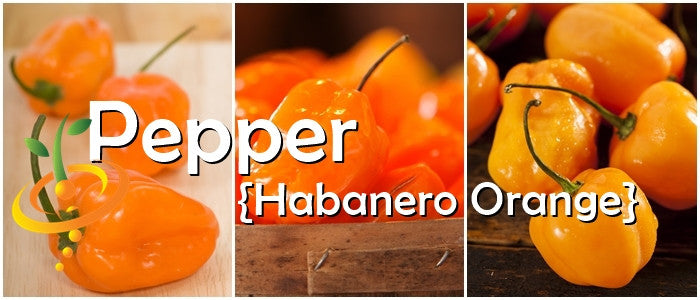
The Orange Habanero Pepper is the kind of pepper that makes you want to check your garden several times a day to see how orange it can get. Very. The kind of pepper that makes you wonder if you can add it to a dish with all orange ingredients like chorizo, carrots, and sweet potatoes. Yes. Or how about with apricots and cantaloupe? Not as hot as other habanero peppers.- Very high yields
- Fruity, citrusy, smoky flavor
- Hot enough to make a lion yelp
- Good for containers
SEED PLANTING TIPS
- Botanical name: Capsicum chinense
- Pepper length: 1"-2"
- Scoville heat units (SHU): 200,000-300,000/very hot
- Plant support: Tomato cage or stake
- Depth to plant seeds: .25" deep
- Spacing between plants: 18"-24" apart
- Spacing between rows: 24"-36" apart
- Days to germinate (sprout): 10-30 days
- Germination soil temps: 75F-85F
- Soil needs: 5.0-6.0 pH
- Sun needs: Full sun
- Frost hardy: No
- Planting season: Spring, summer
- # of plants per sq. ft.: Appx. 1 plant per sq. ft.
- Days to maturity: 85-105 days
Good companion plants: Basil, Carrot, Cucumber, Eggplant, Okra, Rosemary, Sage, Squash, TomatoAll Peppers ⟐ Hot Peppers 📚 Hot Peppers Grow Guide -
Pepper (Hot) - Habanero, Lemon 🔥🔥🔥🔥 seeds
From $399 USDUnit price /UnavailableDescription

Yellow like the sun and hot as blazes describes the Lemon Habanero Pepper. If that scares you, there’s a Yellow Banana Pepper and a cup of milk waiting for you in the nursery. Everyone else can pull up a chair to the big kids’ table. This prolific plant produces lots of 2" wrinkled, waxy fruits that ripen from bright green to bright yellow to smoky golden yellow. The fruity fragrance draws you in, the citrusy flavor sits you down, and then 200,000-300,000 Scoville heat units (SHUs) of pure heat blaze across your tongue. Where’d you say that milk is again?
- Very high yields
- Fruity and citrusy
- Hot enough to make a cow go meow
- Good for containers
SEED PLANTING TIPS
- Botanical name: Capsicum chinense
- Pepper length: 1"-2"
- Scoville heat units (SHU): 200,000-300,000/very hot
- Plant support: Tomato cage or stake
- Depth to plant seeds: .25" deep
- Spacing between plants: 18"-24" apart
- Spacing between rows: 24"-36" apart
- Days to germinate (sprout): 10-30 days
- Germination soil temps: 75F-85F
- Soil needs: 5.0-6.0 pH
- Sun needs: Full sun
- Frost hardy: No
- Planting season: Spring, summer
- # of plants per sq. ft.: Appx. 1 plant per sq. ft.
- Days to maturity: 85-105 days
Good companion plants: Basil, Carrot, Cucumber, Eggplant, Okra, Rosemary, Sage, Squash, TomatoAll Peppers ⟐ Hot Peppers 📚 Hot Peppers Grow Guide -
Pepper (Hot) - Habanero, Chocolate 🔥🔥🔥🔥🔥 seeds
From $399 USDUnit price /UnavailableDescription

The Chocolate Habanero Pepper is a prolific plant that produces lots of 2" waxy nuggets that ripen from dark green to reddish brown. Twice as hot as other Habanero peppers, with a distinct flavor. First, a smoky earthiness drives up, then a fruity sweetness hops in the car, and soon you’re off at 600,000 SHUs, entering the on ramp to Ghost Pepper territory. Use it to spice up everything from margaritas to mango salsa to marinated brisket, and yes, even chocolate.- Very high yields
- Smoky, earthy, sweet flavor
- Hot enough to make a leopard lose its spots
- Good for containers
SEED PLANTING TIPS
- Botanical name: Capsicum chinense
- Pepper length: 1"-2"
- Scoville heat units (SHU): 400,00-600,000/extra hot
- Plant support: Tomato cage or stake
- Depth to plant seeds: .25" deep
- Spacing between plants: 18"-24" apart
- Spacing between rows: 24"-36" apart
- Days to germinate (sprout): 10-30 days
- Germination soil temps: 75F-85F
- Soil needs: 5.0-6.0 pH
- Sun needs: Full sun
- Frost hardy: No
- Planting season: Spring, summer
- # of plants per sq. ft.: Appx. 1 plant per sq. ft.
- Days to maturity: 85-105 days
Good companion plants: Basil, Carrot, Cucumber, Eggplant, Okra, Rosemary, Sage, Squash, Tomato
All Peppers ⟐ Hot Peppers 📚 Hot Peppers Grow Guide -
Parsley - Dark Green Italian Giant seeds
From $399 USDUnit price /UnavailableDescription

- Finely cut dark green leaves
- Flat leaves
- Use this parsley for garnishing, and culinary decoration
- Tolerates heat better than most varieties
- Days to Maturity | 60 days
- Planting Guide | Sow directly in your garden and space seeds 7" apart. Seeds can take a while to sprout. Can take 3-4 weeks before seedlings appear. Plant will grow to about 10" tall in about 60 days.
-
Parsley - Triple Moss Curled seeds
From $399 USDUnit price /UnavailableDescription
Triple Moss Curled Parsley brings serious flavor and serious frills to your garden! This heirloom favorite flaunts gorgeous, deeply ruffled foliage that's almost too pretty to pick—almost. Packed with vibrant green leaves, it's a culinary superstar for soups, salads, and garnishes. Easy to grow and incredibly productive, this parsley variety keeps delivering fresh harvests throughout the season. Perfect for gardeners who want their herbs to look as good as they taste!

-
The Triple Moss Curled Parsley plant grows to about 12" tall with high yields of very dark green curled leaves
- Grows thickly and resembles a bunch of moss (hence the name)
- Excellent for drying and use as a garnish
- Extremely flavorful and aromatic
-
Days to Maturity | 70 days
- Planting Guide | Sow directly in your garden and space seeds 7" apart. Seeds can take a while to sprout. Can take 3-4 weeks before seedlings appear. Plant will grow to about 10" tall in about 60 days.
-
The Triple Moss Curled Parsley plant grows to about 12" tall with high yields of very dark green curled leaves
-
From $399 USDUnit price /Unavailable
Description

- Perennial
- Hardy plant with pungent, oval leaves and purplish pink flowers
- Use fresh or dried in sauces and soups
-
Days to Maturity | 90 days
Additional Details
Hippocrates used oregano as an antiseptic, as well as a cure for stomach and respiratory ailments. It is still used today in Greece as a palliative for sore throat. Oregano is also high in antioxidant activity, due to a high content of phenolic acids and flavonoids.
-
From $399 USDUnit price /Unavailable
Description

- One of the most popular Oregano varieties. Use fresh or dried in sauces and soups - or any culinary creation
- Days to Maturity | 90 days
Additional DetailsHippocrates used oregano as an antiseptic, as well as a cure for stomach and respiratory ailments. It is still used today in Greece as a palliative for sore throat. Oregano is also high in antioxidant activity, due to a high content of phenolic acids and flavonoids.
- One of the most popular Oregano varieties. Use fresh or dried in sauces and soups - or any culinary creation
-
Onion - Spanish Sweet, White (Long Day) seeds
From $399 USDUnit price /UnavailableDescription
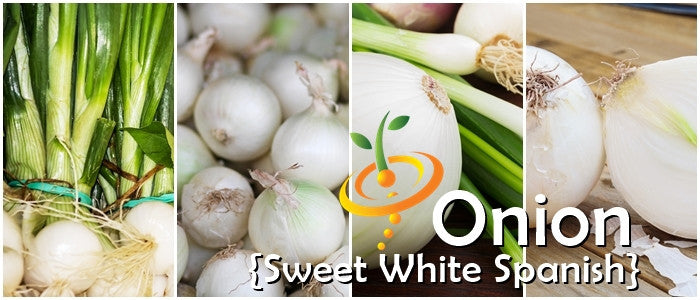
- The White Sweet Spanish variety will produces a globed shaped white onion
- Long day
- This is one of the most popular white onion varieties available
- Easy to grow
- Perfect for beginners
- Grows well in containers and tight spaces
-
Days to Maturity | 110-120 days
Onion Seeds | Onions are easy to grow, have a fairly short growing period and take up little space in the garden. Plant onions 1/4 inch deep and 3 to 4 inches apart in double rows, leaving 6 to 10 inches between rows.
Click here for complete Onion grow guide
- The White Sweet Spanish variety will produces a globed shaped white onion
-
Onion - Red Burgundy (Short Day) seeds
From $399 USDUnit price /UnavailableDescription
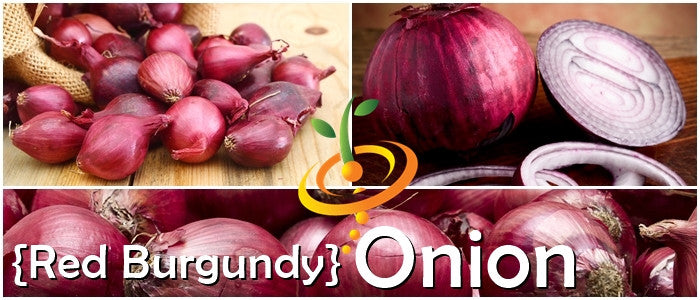
- The Red Burgundy onion plant produces beautiful 4" wide red onions
- Short day
- These onions have a mild but very sweet flavor
- Excellent slicing variety
-
Days to Maturity | 110-120 days
Onion Seeds | Onions are easy to grow, have a fairly short growing period and take up little space in the garden. Plant onions 1/4 inch deep and 3 to 4 inches apart in double rows, leaving 6 to 10 inches between rows.
Click here for complete Onion grow guide
- The Red Burgundy onion plant produces beautiful 4" wide red onions
-
Onion - Evergreen (Bunching) seeds
From $399 USDUnit price /UnavailableDescription

-
Allium cepa. This plant produces very long and slender bunching onions
- Grown exclusively as green bunching onions. Onions have white shanks and white skin making it a very attractive scallion for gourmet dishes
- A hardy plant that can withstand cold weather
- If you like scallions, you'll love this variety
- Extremely popular
- A must have for any onion-lover
-
Days to Maturity | 120 days
Onion Seeds | Onions are easy to grow, have a fairly short growing period and take up little space in the garden. Plant onions 1/4 inch deep and 3 to 4 inches apart in double rows, leaving 6 to 10 inches between rows.
Click here for complete Onion grow guide
-
Allium cepa. This plant produces very long and slender bunching onions
-
Melon (Cantaloupe) - Planters Jumbo seeds
From $399 USDUnit price /UnavailableDescription

-
The Planters Jumbo melon produces a very sweet and delicious fruit that matures to about 5lbs
- Thick and protective rind
- Orange flesh
- Extremely juicy
- Has a pretty small seed cavity
- Tolerant of heat and drought
- Can also tolerate heavy rainfall
- Excellent source of vitamin C
-
Days to Maturity | 85 days
-
Melon Seeds | Because of the long growing season, start plants indoors 4 to 5 weeks before outdoor planting time. Direct sow 4-5 seeds in a hill and then thin to the appropriate spacing.
Click here for complete Melon grow guide
-
The Planters Jumbo melon produces a very sweet and delicious fruit that matures to about 5lbs
-
From $399 USDUnit price /Unavailable
Description

Levisticum officinale (Lovage) — a perennial herb prized for its glossy dark green leaves with a celery-like flavor. This versatile plant reaches 80 inches tall and matures in 85 days, making it an excellent addition to culinary and medicinal gardens. Lovage has long been valued for supporting digestive wellness, with traditional remedies using the seeds steeped in brandy to soothe an upset stomach. Fresh leaves enhance soups, stews, and salads, while the entire plant offers ornamental appeal and practical herb garden value.. Perennial.
Lovage offers multiple benefits for home gardeners and herb enthusiasts. Beyond its culinary appeal with a celery-like flavor perfect for soups and salads, this perennial herb has been traditionally used to support digestive health.
Did you know? The seeds can be steeped to create soothing remedies for digestive discomfort, while the nutrient-rich leaves add depth to everyday cooking.
As a tall, ornamental perennial reaching 80 inches, lovage also enhances garden aesthetics while providing a reliable harvest year after year. Its versatility makes it a valuable addition to both kitchen and medicinal herb gardens.
- Plant produces glossy dark green leaves that have a flavor similar to Celery.
- Known for the treatment of digestive problems.
- A teaspoon of Lovage seeds, steeped in Brandy, strained and sweetened with sugar is on old remedy for settling an upset stomach.
- Plant Height: 80" tall.
- Days to Maturity | 85 days
- Plant produces glossy dark green leaves that have a flavor similar to Celery.
-
From $399 USDUnit price /Unavailable
Description

- Health Benefits | In skin care, Lemon Mint leaves can be rubbed directly on the skin to fight off mosquitoes. The dried leaves can also be infused in oil made into lotions for soothing the skin.

See 7 Awesome Mint Drink Recipes HERE
Follow SeedsNow.com's board Lemon Mint on Pinterest. -
From $399 USDUnit price /Unavailable
Description

Lemon Grass is a tropical plant that produces thick, hearty grass with a delicious lemon flavor. Perfect for culinary dishes, medicinal tea, and natural mosquito repellent. Use fresh or juiced with homemade vegetables, or extract the oils for flavorings and perfumes. Even cats love it. Matures in 80-100 days. A versatile addition to any garden.
Growing lemon grass offers multiple practical benefits. Harvest fresh leaves for culinary use in soups, curries, and beverages, or brew them into soothing tea to support digestive health and ease cold symptoms. The plant naturally repels mosquitoes and other insects, reducing the need for chemical sprays. Extract aromatic oils for homemade perfumes and flavorings. Plus, it's pet-friendly—cats are naturally drawn to it. With fast maturation in 80-100 days and minimal care requirements, lemon grass is an efficient, multi-purpose addition to any garden.
- Lemon Grass is a tropical plant that produces a thick grass that can be used for flavoring many culinary dishes.
- It can also be used to make medicinal tea for the treatment of digestive issues and fever/flu-like symptoms.
- The grass is thick, hearty, and robust with a delicious lemon flavor.
- Makes a GREAT mosquito repellent.
- Some people juice it with other homemade veggies.
- Cats have been known to love lemon grass.
- The oils from the plant can be used for flavorings and/or perfumes
Days to Maturity | 80-100 days
-
From $399 USDUnit price /Unavailable
Description

- Stems are purple with deep gray-green leaves.
- The plants mature medium-tall and leaves are tender compared to other kale varieties
- Ideal for salads and light cooking
- This variety is excellent producer in cooler growing seasons
-
Days to Maturity | 65 days
-
Kale Seeds | Kale can be planted pretty much anywhere in the United States where there's a cool fall growing season. Plant Kale in rows 18 inches to 2 feet apart.
- Click here for complete Kale grow guide
Additional Details
Kale is considered to be a highly nutritious vegetable with powerful antioxidant properties; kale is considered to be anti-inflammatory. Kale is very high in beta carotene, vitamin K, vitamin C, lutein, zeaxanthin, and reasonably rich in calcium.
Follow SeedsNow.com's board Kale on Pinterest.
- Stems are purple with deep gray-green leaves.
-
From $399 USDUnit price /Unavailable
Description

Kale - Premier is an extremely flavorful variety perfect for juicing and healthy smoothies. This cold-hardy cultivar stays in the ground 3-4 weeks longer than standard kale varieties, making it ideal for extended fall and winter harvests across most U.S. growing regions. Matures in just 50 days. Plant in rows 18 inches to 2 feet apart in cool-season gardens. Kale is nutrient-dense, packed with vitamin K, vitamin C, beta carotene, lutein, and zeaxanthin—plus powerful antioxidants and anti-inflammatory compounds. Refer to our complete kale grow guide for detailed planting and care instructions.
- Extremely flavorful Kale variety. Ideal for juicing and healthy smoothies.
- This variety will stay in the ground 3-4 weeks longer than other Kale varieties.
-
Also an excellent variety for a Fall and Winter harvest!
- 50 days to maturity.
- Kale can be planted pretty much anywhere in the United States where there's a cool fall growing season. Plant Kale in rows 18 inches to 2 feet apart. Click here for complete Kale grow guide
Additional DetailsKale is considered to be a highly nutritious vegetable with powerful antioxidant properties; kale is considered to be anti-inflammatory. Kale is very high in beta carotene, vitamin K, vitamin C, lutein, zeaxanthin, and reasonably rich in calcium.
Follow SeedsNow.com's board Kale on Pinterest.
-
Kale - Tuscany, Lacinato "Dinosaur" seeds
From $399 USDUnit price /UnavailableDescription

- Old Italian heirloom, rather primitive open kale with blue-green strap leaves that are 3" wide by 10-18" long.
- Also know and Tuscan or Dinosaur Kale!
- Perfect for making Kale Chips!
- The leaves of this extremely winter-hardy variety become sweeter after a hard frost or harvest leaves when young and tender.
- Delicious and tender when stir-fried or steamed.
- This variety is excellent for a Fall and Winter harvest.
-
Kale is considered to be a highly nutritious vegetable with powerful antioxidant properties; kale is considered to be anti-inflammatory. Kale is very high in beta carotene, vitamin K, vitamin C, lutein, zeaxanthin, and reasonably rich in calcium.
-
Days to Maturity | 65 days
-
Kale Seeds | Kale can be planted pretty much anywhere in the United States where there's a cool fall growing season. Plant Kale in rows 18 inches to 2 feet apart.
Click here for complete Kale grow guide
Follow SeedsNow.com's board Kale on Pinterest. - Old Italian heirloom, rather primitive open kale with blue-green strap leaves that are 3" wide by 10-18" long.
-
Kale - Classic, Blue Curled Scotch seeds
From $399 USDUnit price /UnavailableDescription

- The Blue Curled Scotch is an early Kale variety which will produce tasty greens!
- Excellent in salads or steamed.
- The blue-green leaves are finely curled and reach up to 12-15" tall!
- Can handle the cold extremely well.
- One of the best frost resistant kale varieties available.
-
Days to Maturity | 60 days
-
Kale Seeds | Kale can be planted pretty much anywhere in the United States where there's a cool fall growing season. Plant Kale in rows 18 inches to 2 feet apart.
Click here for complete Kale grow guide
Additional Details
Kale is considered to be a highly nutritious vegetable with powerful antioxidant properties; kale is considered to be anti-inflammatory. Kale is very high in beta carotene, vitamin K, vitamin C, lutein, zeaxanthin, and reasonably rich in calcium.
- The Blue Curled Scotch is an early Kale variety which will produce tasty greens!
 From $399 USDUnit price /Unavailable
Description
Hyssop is a perennial herb prized for its aromatic, evergreen foliage and vibrant blue flowers, making it a valuable addition to any garden. It thrives in well-drained soil with full sun exposure and demonstrates excellent drought tolerance once established. Hyssop attracts beneficial pollinators such as bees and butterflies, enhancing biodiversity and supporting nearby plants. Its leaves and flowers are used for culinary purposes and traditional herbal remedies, offering both sensory and functional benefits. Cultivating hyssop requires minimal maintenance, making it ideal for gardeners seeking a resilient, multipurpose herb.
- Hyssop has a long history of medicinal use and was so highly esteemed in the past that it was considered to be a virtual cure-all.
- Day to Maturity | 75 days
Additional DetailsHyssop is a versatile herb that brings both beauty and utility to your garden. Known for its aromatic leaves and striking blue flowers, it attracts pollinators like bees and butterflies, promoting a healthy garden ecosystem. Beyond its visual appeal, hyssop can enhance your cooking with its distinctive flavor and has a history of traditional medicinal use. Easy to grow and maintain, this herb is a valuable addition for gardeners seeking a blend of charm and functionality. Add hyssop to your garden and enjoy its many benefits all season long.
"Currently an undervalued herb, it is often used as a household remedy, particularly as an expectorant and stomach tonic. It has a positive effect when used to treat bronchitis and respiratory infections, especially where there is excessive mucous production. Hyssop can irritate the mucous membranes, so it is best given after an infection has peaked, when the herb's tonic action encourages a general recovery. The plant should not be used by pregnant women, however, since in large quantities it can induce a miscarriage. The leaves and flowering tops are antiseptic, antitussive, astringent, carminative, diaphoretic, emmenagogue, expectorant, pectoral, sedative, stimulant, stomachic, tonic and vasodilator. The plant can be harvested when in full flower and dried for later use. A tea made from the leaves is used in the treatment of flatulence, stomach-aches, upper respiratory tract infections, coughs in children etc. A poultice made from the fresh herb is used to heal wounds. The essential oil is used in aromatherapy. Its keyword is 'Stability'. This oil should not be used on people who are highly strung as it can cause epileptic symptoms. The essential oil should not be used internally except under professional supervision." SOURCE
WARNING LABEL: SeedsNow.com cannot take any responsibility for any adverse effects from the use of seeds and/or plants. Always seek advice from a professional before using a seed and/or plant for medicinal purposes.
- Hyssop has a long history of medicinal use and was so highly esteemed in the past that it was considered to be a virtual cure-all.
-
Eggplant (Aubergine) - Blackbeauty seeds
From $399 USDUnit price /UnavailableDescription
Black Beauty eggplants are prized for their deep purple, glossy skin and tender flesh that delivers rich, slightly sweet flavor. These vigorous plants produce abundantly throughout the growing season, yielding large, uniform fruits ideal for grilling, roasting, or traditional preparations. Known for reliable performance in most climates, Black Beauty thrives in warm soil and full sun. Expect mature fruits within 70-80 days of transplanting. Their classic appearance and consistent quality make them a favorite among home gardeners and culinary enthusiasts alike.

- Fruits are a deep-purple, egg-shaped globe about 6 by 5 inches
- Flesh is smooth, creamy and pale yellow
-
Days to Maturity | 80 days
-
Eggplant Seeds | Start seed indoors to allow at least 10 weeks for young plants to develop. Plant in rows 3 feet apart, with 2 feet between plants.
Click here for complete Eggplant grow guide
- Fruits are a deep-purple, egg-shaped globe about 6 by 5 inches
 From $399 USDUnit price /Unavailable
Description

- Annual
- 3 ft. plant with strongly aromatic foliage, stems, and heads. Excellent for pickling
- Days to Maturity | 65 days
Additional Details
Dill has a very long history of herbal use going back more than 2,000 years. The seeds are a common and very effective household remedy for a wide range of digestive problems. An infusion is especially efficacious in treating gripe in babies and flatulence in young children. The seed is aromatic, carminative, mildly diuretic, galactogogue, stimulant and stomachic.
Other Medicinal Properties
Dill is also used in the form of an extracted essential oil. Used either in an infusion, or by eating the seed whole, the essential oil in the seed relieves intestinal spasms and griping, helping to settle colic. Chewing the seed improves bad breath. Dill is also a useful addition to cough, cold and flu remedies, it can be used with antispasmodics such as Viburnum opulus to relieve period pains. Dill will also help to increase the flow of milk in nursing mothers and will then be taken by the baby in the milk to help prevent colic.
See Dill Recipes & Growing Tips on our Pinterest Board
Follow SeedsNow.com's board Dill on Pinterest. - Annual
-
Cilantro/Coriander, Slow-Bolt (splits) seeds
From $399 USDUnit price /UnavailableDescription

Cilantro is the most popular leafy aromatic herb with a tangy citrusy-parsley-like flavor, used in Latin and Asian cuisines.
Coriander is the dried seed, whole or powdered, with an earthy, floral flavor used as a spice in Indian cuisine. Grow it just for the seeds or the tiny pinkish flowers, which are quite sweet.
Cilantro prefers cool weather, and this slow-bolt variety will tolerate a bit more heat, putting out more leaves for a longer time before it starts bolting out tasty flowers and Coriander seeds.
Leaves, stems, flowers, seeds, and root of this fast-growing herb are all edible. It also likes shady spots, so a good one to grow indoors.
- Citrusy-parsley-like flavor
- All parts are edible
- Grows 1'-2' tall
- Good for indoor gardens
As a companion plant, it attracts pollinators and beneficial insects, and repels aphids, carrot rust fly, grasshoppers, mosquitoes, potato beetles, and spider mites.As a medicinal herb, Coriander has been used internally to treat anxiety, arthritis, bad breath, colic, constipation, diabetes, diarrhea, flatulence, indigestion, inflammation, insomnia, lack of appetite, nausea, nervousness, pain, stomach cramps, and urinary tract infections (UTIs), and externally to treat rheumatism, headache, joint pain, and tired eyes.
⚠️ Medicinal properties are presented as information only, and are not a recommendation or prescription for use. Consult a medical professional before using any herb medicinally.
Good companion plants: Anise, Asparagus, Basil, Broccoli, Brussels Sprouts, Cabbage, Carrot, Celery, Chervil, Collards, Cumin, Dill, Kale, Kohlrabi, Lemongrass, Lettuce, Mint, Mustard, Oregano, Parsley, Parsnip, Pea, Potato, Rutabaga, Spinach, Squash, Tomato, Turnip, Zucchini
More facts about Cilantro/Coriander:
- This slow-bolting strain is grown primarily for its broad, deep green, celery-like, pungent foliage.
- Used in Oriental and Mexican cuisine.
- Use seed to flavor meats, pickles and baked goods.
- Coriander contains antioxidants. It has also been used as a folk medicine for the relief of anxiety and insomnia. Coriander has also been documented as a traditional treatment for diabetes.
See Cilantro/Coriander Recipes & Growing Tips on our Pinterest Board
Follow SeedsNow.com's board Cilantro on Pinterest. -
From $399 USDUnit price /Unavailable
Description

Chives (Allium schoenoprasum) are a versatile perennial allium that delivers delicate onion flavor to culinary applications. This hardy herb establishes quickly in garden beds or containers, preferring full sun and moderately fertile, well-draining soil. Chives produce attractive purple-pink flower clusters that bloom throughout spring and summer, offering ornamental appeal alongside culinary utility. Continuous harvesting encourages bushier growth and extends productivity across multiple seasons. The plant's shallow root system makes it an excellent companion in vegetable gardens, and its pungent foliage naturally repels certain garden pests. Exceptionally cold-hardy and drought-tolerant once established, chives require minimal maintenance while providing consistent harvests for soups, salads, and garnishes. An indispensable addition for any edible garden.
- Also known as Allium Scoenoprasum. A perennial plant that grows narrow, grass-like leaves that have a mild onion-like flavor
- Chives are rich in vitamins A and C, contain trace amounts of sulfur, and are rich in calcium and iron
- Used for many culinary creations
- Perfect for containers and small spaces
- The plant will grow to about 12" tall
-
Days to Maturity | 80 days
-
Chives | Chives are grown best in cooler weather, are cold hardy and usually are planted early in the spring. Sow your chive seeds directly into the soil as soon as it is workable and at least 60 degrees F.
Click here for complete Chives grow guide
If you like Chives, try growing Scallions.
See Chive Recipes & Growing Tips on our Pinterest Board
Follow SeedsNow.com's board Chives on Pinterest. - Also known as Allium Scoenoprasum. A perennial plant that grows narrow, grass-like leaves that have a mild onion-like flavor
 From $399 USDUnit price /Unavailable
Description

Tendercrisp celery is a high-performing heirloom variety distinguished by its pale green, densely packed stalks and exceptional tenderness without excessive fiber. This cultivar demonstrates robust disease resistance and adapts well to varied soil compositions and climatic zones. The plants reach maturity in approximately 85 days and produce consistently sized bunches suitable for fresh market applications. Optimal results require steady moisture management, nitrogen-rich amendments, and proper spacing to facilitate adequate air movement. Ideal for gardeners seeking reliable production and superior eating quality.
- A very large type of celery with excellent flavor.
- Days to Maturity | 85-100 days
- Celery seed is usually started indoors about 10 weeks before it is time to set the plants outdoors. Plant in rows 2 feet apart; with 6 - 8 inches between plants.
-
Celery - Tall Utah 52-70 seeds
From $399 USDUnit price /UnavailableDescription

Tall Utah celery thrives in garden beds and containers, rewarding growers with crisp, flavorful stalks perfect for fresh eating, juicing, or cooking. Plant seeds indoors 10 weeks before your last frost, then transplant into rows spaced 2 feet apart with 6–8 inches between plants. This variety develops strong roots and excellent heart formation, reaching full maturity in about 100 days. With consistent moisture and moderate care, you'll harvest tender 11–12 inch stalks that make a nutritious addition to any home garden, no matter the size.
- Recommended by USU. Produces strong and delicious 11" - 12" tall stalks of celery.
- Good heart development and strong roots.
- Excellent for juicing or blending into health drinks.
- Easy to grow.
- Definitely worth including in any sized garden.
- Days to Maturity | 100 days
- Celery Seeds | Celery seed is usually started indoors about 10 weeks before it is time to set the plants outdoors. Plant in rows 2 feet apart; with 6 - 8 inches between plants.
Click here for complete Celery grow guide.
-
From $399 USDUnit price /Unavailable
Description

- Plant grows excellent quality stalks of celery
- Stalks are thick and heavy, but no strings
- One of the best varieties around
- Plant grows to about 30" tall
- Easy to grow
- Celery Seeds | Celery seed is usually started indoors about 10 weeks before it is time to set the plants outdoors. Plant in rows 2 feet apart; with 6 - 8 inches between plants.
Click here for complete Celery grow guide
- Plant grows excellent quality stalks of celery
-
Carrot - Danvers (7" Long) seeds
From $399 USDUnit price /UnavailableDescription

-
The Danvers carrot outperforms all other carrots in heavier soils.
- 7" long and 2" thick with thickly tapered ends
- Tender and very sweet
- Carrots are a sun-loving plants that also like the cold.
- Just keep them consistently watered and they'll be happy.
-
Days to Maturity | 70 days
- Carrot Seeds | Carrots are an annual cool-season crop, half-hardy to frost and light freezes. Sow seeds evenly in a very shallow furrow, about 1/4 inch deep, and keep seeds moist so they will germinate.
Click here for complete Carrot grow guide
Additional Details
Carrot gets its characteristic and bright orange colour from β-carotene, which is metabolised into vitamin A in humans when bile salts are present in the intestines. Carrots are also rich in dietary fibre, antioxidants, and minerals.
-
The Danvers carrot outperforms all other carrots in heavier soils.
-
Broccoli - Romanesco Italia seeds
From $399 USDUnit price /UnavailableDescription

-
Old italian heirloom variety that produces excellent yields of beautifully unique green broccoli heads.
- This is a unique Italian variety with better taste and texture than other broccoli.
- It has beautiful apple green spiraling buds and is especially well adapted to the north.
- A heirloom variety from Italy.
-
Days to Maturity | 75 days
- Broccoli is high in vitamin C, as well as dietary fiber; it also contains multiple nutrients with potent anti-cancer properties, such as diindolylmethane and small amounts of selenium. A single serving provides more than 30 mg of Vitamin C and a half-cup provides 52 mg of Vitamin C.
-
Old italian heirloom variety that produces excellent yields of beautifully unique green broccoli heads.
-
From $399 USDUnit price /Unavailable
Description

- The Early Purple Broccoli Plant produces extremely flavorful heads of broccoli that are bright purple.
- Ideal for garnishes or used fresh in salads and other gourmet culinary creations.
- Once the main head is removed this variety will continuously produce many offshoots during the season.
- Can be planted late winter and early spring.
- An extremely easy to grow variety that can withstand cold temps.
-
Days to Maturity | 65 days
-
Broccoli Seeds | Start seed indoors 6 weeks before the last killing frost, for early spring crop. Plant in rows 2 1/2 feet apart, with 18 inches to 2 feet between the plants.
- Broccoli is high in vitamin C, as well as dietary fiber; it also contains multiple nutrients with potent anti-cancer properties, such as diindolylmethane and small amounts of selenium. A single serving provides more than 30 mg of Vitamin C and a half-cup provides 52 mg of Vitamin C.
- The Early Purple Broccoli Plant produces extremely flavorful heads of broccoli that are bright purple.
-
Borage (Starflower) Flower seeds
From $399 USDUnit price /UnavailableDescription

Borage, also called Starflower, is a fast-growing flowering herb with bright blue star-shaped flowers and fuzzy stems and leaves, all edible and they taste like cucumber. Grows 1'-3' tall and reseeds liberally, so it can become invasive. Use the young leaves like spinach and the sweet little flowers as a charming garnish on salads and cakes, or frozen into ice cubes. Easy to dry and use as a refreshing herbal tea.
- Cucumber flavor
- Garden companion superstar
- Culinary and medicinal
- Spreads easily
A valuable companion in the vegetable garden, it repels cabbage moths, cabbage white butterfly, cabbage worms, and tomato hornworms; attracts pollinators and beneficial insects; acts as a trap crop for grasshoppers; and feeds the soil as a green manure or mulch.As a medicinal herb, Borage is used internally to treat anxiety, colds, congestion, cough, depression, fever, hot flashes, insomnia, irritable bowel syndrome (IBS), upset stomach, and urinary problems, and externally to treat insect bites and stings, skin irritations, and swelling.
⚠️ Toxic to pets and livestock. Do not ingest while pregnant or nursing, or if you have liver problems.
⚠️ Medicinal properties are presented as information only, and are not a recommendation or prescription for use. Consult a medical professional before using any herb medicinally.
SEED PLANTING TIPS
- Botanical name: Borago officinalis
- Life cycle: Herbaceous annual
- Hardiness zones: 2-11
- Planting season: Spring, summer
- Days to maturity: 55-60 days; can begin harvesting when 6" tall
- Depth to plant seeds: 1/4" deep
- Days to germinate (sprout): 5-14 days
- Germination soil temps: 65F-70F
- Spacing between plants: 12"-18" apart
- Spacing between rows: 18"-24" apart
- # of plants per sq. ft.: Appx. 1 plant per sq. ft.
- Soil types: Clay, sandy, loamy, silty, rocky, chalky, poor, dry, moist, well-drained
- Soil pH: 4.8-8.3
- Sun needs: Full sun, part shade
- Water needs: Average
- Cold stratify: No
- Frost tolerant: Yes
- Heat tolerant: Yes
- Drought tolerant: Yes
- Deer resistant: Yes
- Culinary use: Yes
- Medicinal use: Yes
Good Companion Plants: Basil, Broccoli, Bean, Brussels Sprouts, Cabbage, Cauliflower, Collards, Cucumber, Eggplant, Fava Bean, Kale, Marigold, Melon, Mustard, Pea, Pepper, Pumpkin, Radish, Soybean, Squash, Strawberry, Tomato, Zucchini

Borage is a fairly common herbal remedy that has been used since ancient times. It's best when grown in containers because it is extremely invasive. The flavor of these flowers is crisp and refreshing.


What is Borage?This gorgeous, but highly invasive medicinal herb will boast lovely blue and purple flowers and will get at least 5 feet tall wherever you plant it. Very easy to grow, it will re-seed year after year and will be a lovely piece for your garden. The flavor of the Borage flowers resemble cucumbers... cool and crisp.

Health Benefits of BorageBorage is wonderful and has a great reputation for it's beneficial affect on the mind. It's been used to dispel melancholy and induce euphoria. It's a soothing saline, diuretic herb that helps treat damaged or irritated tissues. The leaves can be used as well as an emollient and expectorant.

Ways to Consume BorageConsume these edible flowers in your favorite fresh salads or as a lovely garnish to any dish! Dry the leaves and flowers to make an herbal tea. Freeze these lovely flowers into ice cube trays. Try adding them to wine, cider, and other fruit drinks. Borage pairs well with all salads, most cheeses, summer-like beverages and even fish. You can even "candy" these flowers and use them as edible decorations on cakes, tarts and ice cream.

See Borage Recipes & Growing Tips on our Pinterest Board
-
Asparagus - Mary Washington seeds
From $399 USDUnit price /UnavailableDescription

The Mary Washington Asparagus is a popular old heirloom variety that produces vigorous, uniform spears with a sweet, nutty flavor. Asparagus plants are perennials that can easily produce for 20+ years, so give this vegetable a permanent and sunny spot in your garden. To ensure many years of future production, wait until the second year to cut and consume the spears.
- Early producer
- Cold hardy, but protect from frost
- Easy to care for, once established
- Beautiful fern-like foliage lingers after harvest
Asparagus can be considered a power food among veggies. It is packed with vitamins and minerals, delivering a more complete balance than any other. Asparagus is a good source of vitamin A, B6 and C, as well as iron, potassium, riboflavin, niacin, and thiamine. It is high in fiber and low in carbohydrates, contains no fat, no cholesterol and has only 20 calories per 1/2 cup serving.
An established bed of 25 asparagus plants will produce about 10 pounds of asparagus per year.
• Shop all Asparagus (seeds)
• Shop all Asparagus (roots)
Shop Good Companion Plants for Asparagus 📚 Grow Guide: Asparagus -
From $399 USDUnit price /Unavailable
Description

The Green Globe Artichoke produces a large, delicious green flower bud that opens into a purple thistle if left to flower. Choose a sunny spot in your garden with lots of room for this plant to grow. Artichokes are perennial plants that keep coming back bigger and more productive every year. For a dramatic difference in color, try growing the Violet Star Artichoke.- Drought tolerant
- Heat tolerant
- Usually produces in 2nd year
- Perennial
-
From $299 USDUnit price /Unavailable
Description
- Just as the name suggests, this style of gourd will produce a gourd that looks like a small green apple.
- Dark green then dries brown
- Image source commons wiki
- Just as the name suggests, this style of gourd will produce a gourd that looks like a small green apple.
-
Pepper (Hot) - Bird's Eye 🔥🔥🔥 seeds
From $299 USDUnit price /UnavailableDescription
The first thing you should know about the Bird’s Eye Chili Pepper is that it is ... HOT! That’s also the third and fifth things you should know. Small 1"-2", tapered fruit grows on a compact bush and ripens through all the showy colors of a painted bunting, green to purple to orange to red. Pungent with fruity, tropical notes and a serious blast of heat. Use this little Thai chili to add fiery flair to everything from Asian stir fries to Indian curries to South African peri-peri sauce.
- Hot
- Fruity, tropical flavor
- Good for planting in containers & small spaces
- Harvest any color
SEED PLANTING TIPS
- Botanical name: Capsicum annuum
- Pepper length: 1"-2"
- Scoville heat units (SHU): 50,000-100,000/hot
- Plant support: None
- Depth to plant seeds: .25" deep
- Spacing between plants: 12"-18" apart
- Spacing between rows: 18"-24" apart
- Days to germinate (sprout): 7-21 days
- Germination soil temps: 75F-85F
- Soil needs: 6.0-7.0 pH
- Sun needs: Full sun
- Frost hardy: No
- Planting season: Spring, summer
- # of plants per sq. ft.: Appx. 1 plant per sq. ft.
- Days to maturity: 100+ days
Good companion plants: Basil, Carrot, Cucumber, Eggplant, Okra, Rosemary, Sage, Squash, Tomato
-
The Birds Eye pepper is the official wild pepper of Texas. A very hot, often 7x – 8x hotter on the scoville scale than jalapenos!
-
This is a Perennial pepper variety which means that if the soil doesn’t freeze hard in your area, you'll most likely be able to grow these peppers all year round.
-
Easy to grow from seeds.
-
Can be used in place of any hot peppers in many culinary recipes.
-
The commercial hot sauce brand Cholula lists bird peppers as one of its ingredients.
-
Thomas Jefferson first obtained seed of the Bird's Eye Pepper in 1812 from Captain Samuel Brown, who was stationed in San Antonio, Texas. Jefferson recorded planting this pepper in pots and in the kitchen garden in 1814. [source]
All Peppers ⟐ Hot Peppers 📚 Hot Peppers Grow Guide -
Cover Crop - Clover (Medium Red) seeds
From $299 USDUnit price /UnavailableDescription
Medium Red Clover (Trifolium pratense) is a widely recognized cover crop that plays a significant role in sustainable agriculture and gardening practices. This leguminous plant is particularly valued for its ability to improve soil health, enhance biodiversity, and contribute to sustainable farming systems.
One of the primary benefits of using Medium Red Clover as a cover crop is its nitrogen-fixing capability. Clover plants have a symbiotic relationship with Rhizobium bacteria, which allows them to convert atmospheric nitrogen into a form that is accessible to plants. Research indicates that clover can fix approximately 100 to 200 pounds of nitrogen per acre per year, significantly reducing the need for synthetic fertilizers and promoting a more sustainable approach to soil fertility.
In addition to nitrogen fixation, Medium Red Clover also improves soil structure and health. Its deep taproot system helps to break up compacted soil layers, enhancing aeration and water infiltration. This can lead to improved root development for subsequent crops and increased resilience against drought conditions. Studies have shown that cover crops like clover can increase soil organic matter by 0.5 to 1.5 percent over several years, which is crucial for maintaining soil fertility and structure.
Furthermore, Medium Red Clover serves as an excellent weed suppressor. The dense foliage of clover can outcompete many common weeds, reducing the need for herbicides and manual weeding. This natural weed control mechanism not only saves labor but also minimizes chemical inputs, aligning with organic gardening principles.
Medium Red Clover is also beneficial for attracting beneficial insects and pollinators. The flowers of clover are a rich source of nectar and pollen, supporting a diverse ecosystem in the garden. This can lead to improved pollination rates for other crops and contribute to overall biodiversity in the agricultural landscape.
When incorporating Medium Red Clover into a garden or farming system, it is essential to consider the timing of planting and termination. Clover is typically sown in the late summer or early fall, allowing it to establish before winter. It can be terminated in the spring before planting the main crop, either through mowing or tillage, to incorporate its biomass into the soil, thus enhancing nutrient availability for subsequent crops.
In summary, Medium Red Clover is a valuable cover crop that offers numerous benefits, including nitrogen fixation, soil improvement, weed suppression, and support for beneficial insects. Its use in sustainable gardening practices can lead to healthier soils, reduced reliance on chemical inputs, and increased biodiversity, making it an essential component of modern agricultural systems.
-
Phacelia, California Bluebell/Desert Bluebell Flower seeds
From $299 USDUnit price /UnavailableDescription
Phacelia Campanularia, commonly known as the California Bluebell or Desert Bluebell, is a flowering plant that belongs to the Boraginaceae family. This annual herb is native to the southwestern United States and is particularly well-suited for arid and semi-arid regions. Its striking blue flowers, which bloom in spring, make it an attractive choice for gardeners seeking to enhance the aesthetic appeal of their landscapes.
One of the notable characteristics of Phacelia Campanularia is its ability to thrive in poor soil conditions. This plant is often used in xeriscaping, a landscaping method that reduces or eliminates the need for irrigation. Studies indicate that plants like Phacelia Campanularia can reduce water usage by up to 50% compared to traditional landscaping methods. This makes it an ideal choice for environmentally conscious gardeners looking to conserve water resources.
In addition to its drought-resistant qualities, Phacelia Campanularia plays a crucial role in supporting local ecosystems. The flowers are a valuable source of nectar for pollinators, including bees and butterflies. Research has shown that planting native flowering species can increase pollinator populations by as much as 30%. By incorporating Phacelia Campanularia into your garden, you contribute to the health of these essential species and promote biodiversity.
Phacelia Campanularia is also known for its soil improvement properties. As a member of the legume family, it has the ability to fix nitrogen in the soil, enhancing soil fertility. This characteristic can lead to improved growth for neighboring plants, making it a beneficial companion plant in mixed gardens. Studies have demonstrated that intercropping with nitrogen-fixing plants can increase overall crop yields by approximately 20%.
When cultivating Phacelia Campanularia, it is essential to consider its growing conditions. This plant prefers full sun and well-drained soil. It is typically sown directly into the garden in the spring after the last frost. The seeds germinate quickly, often within 7 to 14 days, and the plants reach maturity in about 60 days. Regular deadheading can encourage prolonged blooming and prevent self-seeding, which may be desirable for gardeners looking to maintain control over their garden's layout.
In conclusion, Phacelia Campanularia is not only an aesthetically pleasing addition to any garden but also offers numerous ecological benefits. Its drought tolerance, support for pollinators, and soil-enhancing properties make it a valuable choice for sustainable gardening practices. By incorporating this native flower into your landscape, you can contribute to a healthier environment while enjoying its beauty.
-
Tomato - Sunray (Indeterminate) seeds
From $299 USDUnit price /UnavailableDescription
The Sunray tomato plant, known for its vibrant yellow fruit, is a popular choice among gardeners seeking to diversify their vegetable gardens. This cultivar is characterized by its high yield and robust growth, making it suitable for both novice and experienced gardeners. The Sunray tomato is classified as an indeterminate variety, which means it continues to grow and produce fruit throughout the growing season until killed by frost.
One of the notable features of the Sunray tomato plant is its ability to thrive in a variety of soil types, although it prefers well-drained, loamy soil enriched with organic matter. The optimal pH range for growing Sunray tomatoes is between 6.0 and 6.8. This range promotes nutrient availability and enhances overall plant health. Regular soil testing can help gardeners maintain the appropriate pH and nutrient levels, ensuring optimal growth conditions.
In terms of sunlight requirements, the Sunray tomato plant thrives in full sun, requiring at least 6 to 8 hours of direct sunlight each day. This exposure is crucial for the photosynthesis process, which is vital for fruit development. Insufficient sunlight can lead to stunted growth and reduced fruit production. Therefore, selecting an appropriate location in the garden that receives ample sunlight is essential for successful cultivation.
Watering practices also play a significant role in the health of the Sunray tomato plant. Consistent moisture is necessary, particularly during the fruiting stage. However, overwatering should be avoided, as it can lead to root rot and other fungal diseases. A general guideline is to provide about 1 to 1.5 inches of water per week, adjusting based on rainfall and soil moisture levels. Mulching around the base of the plant can help retain soil moisture and suppress weed growth.
Fertilization is another critical aspect of growing Sunray tomatoes. A balanced fertilizer with equal parts nitrogen, phosphorus, and potassium is recommended during the early stages of growth. As the plant begins to flower, a fertilizer higher in phosphorus can promote better fruit set and development. It is advisable to follow the manufacturer's instructions regarding application rates and timing to avoid nutrient burn.
Pest management is essential for maintaining the health of the Sunray tomato plant. Common pests include aphids, whiteflies, and tomato hornworms. Integrated pest management (IPM) strategies, such as introducing beneficial insects, using insecticidal soaps, and practicing crop rotation, can effectively control pest populations while minimizing chemical use.
In conclusion, the Sunray tomato plant is a valuable addition to any garden, offering both aesthetic appeal and culinary benefits. By understanding its growth requirements and implementing best practices in cultivation, gardeners can enjoy a bountiful harvest of flavorful tomatoes throughout the growing season.
SEED PLANTING TIPS
- Botanical name: Solanum lycopersicum
- Growth type: Indeterminate, trellis support, regular pruning
- Tomato size: Medium
- Depth to plant seeds: .25" deep
- Spacing between plants: 24" apart
- Spacing between rows: 36"-48" apart
- Days to germinate (sprout): 7-14 days
- Germination soil temps: 75F-95F
- Soil needs: 6.0-6.5 pH
- Sun needs: Full sun
- Frost hardy: No
- Planting season: Spring, summer
- # of plants per sq. ft.: Appx. 1 plant per 2 sq. ft.
- Days to maturity: 75-80 days
Click here to view our full Tomato grow guide
Good companion plants: Basil, Borage, Onion, Parsley, Pepper
-
Coneflower, Red Prairie (Mexican Hat) Flower seeds
From $299 USDUnit price /UnavailableDescription
Ratibida columnifera, commonly known as the prairie coneflower or Mexican hat, is a perennial flowering plant belonging to the Asteraceae family. This species is native to the central and western regions of North America, thriving in a variety of habitats, including prairies, open woodlands, and disturbed areas. Its adaptability to different soil types and conditions makes it a valuable addition to gardens focused on sustainability and biodiversity.
One of the notable characteristics of Ratibida columnifera is its distinctive flower structure. The plant typically features a central cone surrounded by drooping, red petal-like ray florets. The height of the plant can range from 1 to 3 feet, making it suitable for both foreground and background planting in garden designs. The flowering period generally occurs from late spring to early fall, providing a long-lasting display of color.
In terms of ecological benefits, Ratibida columnifera serves as an important nectar source for various pollinators, including bees and butterflies. Studies indicate that native plants like Ratibida columnifera can increase pollinator diversity by up to 50% in garden settings. This makes it an ideal choice for gardeners looking to support local ecosystems and promote pollinator health.
Furthermore, this species is drought-tolerant and requires minimal maintenance once established. It is well-suited for xeriscaping and can thrive in poor soil conditions, making it an excellent option for sustainable gardening practices. Ratibida columnifera can also help prevent soil erosion due to its deep root system, which stabilizes the soil and improves its structure.
When incorporating Ratibida columnifera into a garden, it is advisable to plant it in full sun to partial shade, ensuring that it receives adequate light for optimal growth. Spacing should be considered, as these plants can spread over time. A distance of 12 to 18 inches between plants is recommended to allow for proper air circulation and to minimize competition for nutrients.
In summary, Ratibida columnifera is a versatile and beneficial plant for gardens, particularly those aimed at enhancing biodiversity and sustainability. Its aesthetic appeal, ecological contributions, and low maintenance requirements make it a valuable addition to any garden landscape. By choosing to cultivate this native species, gardeners can contribute to the preservation of local flora and fauna while enjoying the beauty it brings to their outdoor spaces.
-
Coneflower, Clasping Flower seeds
From $299 USDUnit price /UnavailableDescription
Rudbeckia amplexicaulis, commonly known as the clasping coneflower, is a perennial plant that belongs to the Asteraceae family. This species is native to the eastern and central regions of North America and is recognized for its distinctive yellow flowers and unique foliage. Understanding the characteristics and cultivation requirements of Rudbeckia amplexicaulis can enhance its integration into a garden setting.
One of the notable features of Rudbeckia amplexicaulis is its growth habit. This plant typically reaches a height of 2 to 3 feet and produces flowers that are approximately 2 to 3 inches in diameter. The flowers are characterized by their bright yellow petals that surround a prominent, dark brown central cone. The foliage is lanceolate and clasping, which gives the plant its common name. The leaves can grow up to 6 inches long and are arranged alternately along the stem.
In terms of cultivation, Rudbeckia amplexicaulis thrives in well-drained soils and prefers full sun to partial shade. It is important to note that this species is drought-tolerant once established, making it an excellent choice for low-maintenance gardens. The ideal soil pH for optimal growth ranges from 6.0 to 7.0. Regular watering during the initial establishment phase is recommended, but overwatering should be avoided to prevent root rot.
Rudbeckia amplexicaulis is also known for its resilience against pests and diseases. This hardiness contributes to its popularity among gardeners seeking sustainable and low-maintenance options. However, it is advisable to monitor for common pests such as aphids and spider mites, which can occasionally affect the plant. Implementing integrated pest management strategies can help mitigate these issues.
In terms of propagation, Rudbeckia amplexicaulis can be easily grown from seeds or divisions. Seeds should be sown in the spring or fall, and germination typically occurs within 14 to 30 days under optimal conditions. For division, it is recommended to separate the plants every 3 to 4 years to maintain vigor and prevent overcrowding.
In addition to its aesthetic appeal, Rudbeckia amplexicaulis serves as an important ecological resource. The flowers attract a variety of pollinators, including bees and butterflies, which contribute to the overall health of the garden ecosystem. Furthermore, the plant's seeds provide food for birds during the winter months, enhancing biodiversity in the garden.
In conclusion, Rudbeckia amplexicaulis is a versatile and resilient perennial that can add significant value to any garden. Its striking flowers, low maintenance requirements, and ecological benefits make it an ideal choice for both novice and experienced gardeners. By understanding its growth habits and cultivation needs, gardeners can successfully incorporate this species into their landscapes, promoting both beauty and sustainability.
-
Cover Crop - Summer Max Mix seeds
From $299 USDUnit price /UnavailableDescription
The Summer Max Cover Crop Seed Mix is a carefully formulated blend designed to enhance soil health and promote sustainable gardening practices. This mix includes a variety of species that thrive in warmer temperatures, providing numerous benefits to the garden ecosystem.
One of the primary advantages of using a cover crop mix is its ability to improve soil structure. The roots of the plants in the mix penetrate the soil, creating channels that enhance aeration and water infiltration. Studies have shown that cover crops can increase soil organic matter by up to 1% per year, which is significant for long-term soil fertility.
Additionally, the Summer Max Cover Crop Seed Mix contributes to nutrient cycling. As the plants grow, they absorb nutrients from the soil, which are then returned to the soil when the plants decompose. This process can reduce the need for synthetic fertilizers, promoting a more organic approach to gardening.
Another key benefit of this cover crop mix is its ability to suppress weeds. The dense growth of the cover crops shades the soil, limiting the sunlight available for weed seeds to germinate. Research indicates that cover crops can reduce weed populations by as much as 70%, thereby minimizing competition for resources among desired plants.
Furthermore, the Summer Max Cover Crop Seed Mix can enhance biodiversity in the garden. By planting a mix of species, gardeners can attract beneficial insects and pollinators, which play a crucial role in maintaining a healthy ecosystem. Increased biodiversity can lead to improved pest management, as natural predators help control pest populations.
It is essential to consider the timing and management of cover crops. The Summer Max Cover Crop Seed Mix is typically sown in late spring or early summer, allowing it to establish before the heat of summer sets in. Proper management practices, such as mowing or terminating the cover crops before planting the main crop, are vital to ensure that the benefits of the cover crops are fully realized.
In conclusion, the Summer Max Cover Crop Seed Mix offers a range of benefits for gardeners looking to improve soil health, suppress weeds, and promote biodiversity. By incorporating this mix into their gardening practices, individuals can contribute to a more sustainable and productive gardening environment.
-
Coreopsis, Tall Plains/Golden Tickseed Flower seeds
From $299 USDUnit price /UnavailableDescription
Tall Plains Flower or Golden Tickseed, scientifically known as Coreopsis tinctoria, is a perennial plant native to the prairies and open fields of North America. This species is particularly valued for its vibrant yellow and reddish-brown flowers, which bloom from late spring to early fall, providing a continuous display of color in the garden. The plant typically reaches heights of 2 to 3 feet, making it a striking addition to any landscape.
One of the key characteristics of Coreopsis tinctoria is its adaptability to various soil types. It thrives in well-drained soils, preferring sandy or loamy conditions, and can tolerate drought once established. This resilience makes it an excellent choice for gardeners looking to create low-maintenance landscapes. In fact, studies have shown that plants like Coreopsis tinctoria can reduce water usage by up to 50% compared to traditional garden plants, contributing to sustainable gardening practices.
The flowers of Coreopsis tinctoria are not only aesthetically pleasing but also serve an ecological purpose. They attract a variety of pollinators, including bees and butterflies, which are essential for maintaining biodiversity in garden ecosystems. Research indicates that flowering plants can increase pollinator populations by as much as 30%, highlighting the importance of incorporating native species like Coreopsis tinctoria into garden designs.
In terms of care, Coreopsis tinctoria requires minimal intervention. Regular deadheading of spent flowers can encourage further blooming and prolong the flowering period. Additionally, this plant is generally resistant to pests and diseases, making it a reliable choice for both novice and experienced gardeners. It is important to note that while Coreopsis tinctoria is a hardy plant, it benefits from occasional fertilization with a balanced fertilizer to promote healthy growth and flowering.
When planning a garden that includes Coreopsis tinctoria, consider its placement in relation to other plants. It pairs well with other native wildflowers and grasses, creating a naturalistic look that mimics its native habitat. Furthermore, planting in groups of three or more can enhance visual impact and provide a more substantial habitat for pollinators.
In conclusion, Coreopsis tinctoria is a valuable addition to any garden, offering both beauty and ecological benefits. Its adaptability, low maintenance requirements, and ability to attract pollinators make it an ideal choice for sustainable gardening. By incorporating this native plant into your landscape, you contribute to the preservation of local ecosystems while enjoying its vibrant blooms throughout the growing season.
- Life cycle: Herbaceous perennial
- Bloom season: Summer
- Attracts: Birds, bees, butterflies, beneficial insects, and other pollinators
- Flower meaning: Always cheerful, friendship, happiness, joy, love at first sight, optimism
SEED PLANTING TIPS
- Botanical name: Coreopsis lanceolata
- Hardiness zones: 4-9
- Planting season: Spring, fall
- Days to maturity: 2nd year
- Cold stratify: Yes
- Depth to plant seeds: Lightly cover - seeds need light to germinate
- Spacing between plants: 8"-12" apart
- Days to germinate (sprout): 7-21 days
- Germination soil temps: 65F-75F
- Soil types: Sandy, loamy, rocky, chalky, moist, well-drained
- Soil pH: 5.5-6.5
- Water needs: Average
- Sun needs: Full sun, part shade
- Frost tolerant: No
- Drought tolerant: Yes
- Deer resistant: Yes
-
Cress - Upland (Land Cress) seeds
From $299 USDUnit price /UnavailableDescription
Upland cress (Barbarea verna), also known as land cress, is a perennial plant belonging to the mustard family (Brassicaceae). This leafy green is often cultivated for its peppery flavor and nutritional benefits, making it a valuable addition to home gardens. Upland cress is particularly well-suited for cooler climates, thriving in temperatures ranging from 50°F to 70°F (10°C to 21°C).
One of the notable characteristics of upland cress is its rapid growth rate. Under optimal conditions, seeds can germinate within 7 to 14 days, and the plant can be harvested as early as 30 days after sowing. This quick turnaround makes it an attractive option for gardeners seeking to maximize their yield in a short growing season.
Upland cress is rich in vitamins A and C, as well as minerals such as calcium and iron. Studies have shown that leafy greens like upland cress can contribute to a balanced diet, providing essential nutrients that support overall health. In fact, a 100-gram serving of upland cress can contain approximately 90 mg of vitamin C, which is about 100% of the recommended daily intake for adults.
In terms of cultivation, upland cress prefers well-drained, fertile soil with a pH level between 6.0 and 7.0. It can be sown directly into the garden or started indoors and transplanted. The plant benefits from consistent moisture, and regular watering is essential, especially during dry spells. Mulching can help retain soil moisture and suppress weeds, which can compete for nutrients.
Upland cress can be susceptible to pests such as aphids and flea beetles. Implementing integrated pest management strategies, such as introducing beneficial insects or using organic insecticidal soaps, can help mitigate these issues. Additionally, crop rotation is recommended to prevent soil-borne diseases and maintain soil health.
Harvesting upland cress can be done by cutting the leaves just above the crown of the plant. This method encourages new growth and allows for multiple harvests throughout the growing season. The leaves can be used fresh in salads, sandwiches, or as a garnish, and they can also be cooked similarly to spinach.
In conclusion, upland cress is a versatile and nutritious plant that can enhance both the garden and the diet. Its rapid growth, ease of cultivation, and health benefits make it a worthwhile addition for gardeners looking to diversify their vegetable offerings. By understanding its requirements and potential challenges, gardeners can successfully incorporate upland cress into their gardening practices.
-
Aster, Single Mix Flower seeds
From $299 USDUnit price /UnavailableDescription
The Aster, particularly the Single Mix variety, is a popular choice among gardeners due to its vibrant colors and adaptability to various growing conditions. This perennial plant belongs to the Asteraceae family, which is known for its diverse range of flowering species. Asters are native to Europe, Asia, and North America, and they thrive in temperate climates.
One of the notable characteristics of the Aster, Single Mix China, is its ability to produce an array of colors, including shades of pink, purple, blue, and white. These flowers typically bloom from late summer to early fall, providing a crucial source of nectar for pollinators such as bees and butterflies during a time when many other plants have finished flowering. In fact, studies have shown that Asters can attract up to 50% more pollinators compared to other flowering plants in the same environment.
The growth habit of the Aster, Single Mix China, is upright, reaching heights of approximately 1 to 3 feet, depending on the specific cultivar and growing conditions. The plant prefers well-drained soil and can tolerate a range of pH levels, although it thrives best in slightly acidic to neutral soils (pH 6.0 to 7.0). Asters are also known for their drought resistance once established, requiring minimal watering, which makes them an excellent choice for sustainable gardening practices.
In terms of care, Asters benefit from regular deadheading, which encourages further blooming and prevents the plant from becoming leggy. Fertilization is generally not necessary; however, a balanced, slow-release fertilizer can be applied in early spring to promote healthy growth. Furthermore, Asters are relatively pest-resistant, although they may occasionally attract aphids or spider mites. Integrated pest management strategies, such as introducing beneficial insects, can effectively control these pests without the need for chemical interventions.
When planting Aster, Single Mix China, it is advisable to space the plants approximately 12 to 18 inches apart to allow for adequate air circulation and to minimize the risk of fungal diseases. This spacing also promotes healthy growth and ensures that each plant has sufficient access to sunlight. Asters thrive in full sun to partial shade, with at least 6 hours of direct sunlight per day being ideal for optimal flowering.
In summary, the Aster, Single Mix China flowers are an excellent addition to any garden, providing not only aesthetic appeal but also ecological benefits. Their resilience, vibrant colors, and ability to attract pollinators make them a valuable choice for both novice and experienced gardeners alike. By understanding the specific needs and characteristics of this plant, gardeners can successfully cultivate Asters and enjoy their beauty for many seasons to come.
SEED PLANTING TIPS
- Botanical name: Callistephus chinensis
- Hardiness zones: 2-11
- Planting season: Spring
- Days to maturity: 90-120
- Cold stratify: No
- Depth to plant seeds: Lightly cover - seeds need light to germinate
- Spacing between plants: 8"-12" apart
- Days to germinate (sprout): 14-21 days
- Germination soil temps: 70F-75F
- Soil types: Loamy, well-drained
- Soil pH: 5.5-7.5
- Water needs: Average
- Sun needs: Full sun, part shade
- Frost tolerant: No
- Drought tolerant: No
- Deer resistant: Yes
-
Cosmos, Sensations Mix Flower seeds
From $299 USDUnit price /UnavailableDescription
Cosmos sulphureus, are vibrant and easy-to-grow flowers that can add a pop of color to any garden. If you're looking to brighten up your outdoor space with these stunning blooms, here's everything you need to know about growing yellow sulphur cosmos in your garden.
They are native to Mexico and Central America but are now popular in gardens around the world. These flowers are known to attract butterflies and other beneficial pollinators.
Aside from their stunning appearance, they offer several benefits to your garden. They attract pollinators like butterflies and bees, helping to support local ecosystems. These flowers also make excellent cut flowers, adding a burst of color to floral arrangements.
 From $299 USDUnit price /Unavailable
Description
The Common Chicory plant, scientifically known as Cichorium intybus, is a perennial herbaceous plant belonging to the Asteraceae family. This plant is notable for its adaptability and resilience, making it a valuable addition to various garden settings. With its striking blue flowers and robust root system, chicory not only enhances the aesthetic appeal of a garden but also contributes to soil health.
Chicory is primarily cultivated for its leaves, which are often used in salads, and for its roots, which can be roasted and ground to produce a coffee substitute. The plant thrives in well-drained soils and prefers full sun to partial shade, making it suitable for a range of gardening environments. It can tolerate drought conditions, which is an advantageous trait for gardeners in arid regions.
In terms of growth, Cichorium intybus can reach heights of up to 1.2 meters (approximately 4 feet) and typically blooms from mid-summer to early fall. The flowers are not only visually appealing but also attract pollinators, such as bees and butterflies, which are essential for maintaining biodiversity in the garden ecosystem.
From a nutritional perspective, chicory leaves are rich in vitamins A, C, and K, as well as minerals such as calcium and potassium. The plant also contains inulin, a type of soluble fiber that supports digestive health. Incorporating chicory into the garden can therefore provide both aesthetic and nutritional benefits.
Furthermore, chicory is known for its ability to improve soil structure and fertility. Its deep taproot helps to break up compacted soil, allowing for better water infiltration and root growth for surrounding plants. This characteristic makes chicory an excellent companion plant in vegetable gardens, where it can enhance the growth of neighboring crops.
In conclusion, the Cichorium intybus plant is a versatile and beneficial addition to any garden. Its combination of ornamental beauty, nutritional value, and positive impact on soil health makes it a worthy consideration for both novice and experienced gardeners alike. By cultivating chicory, gardeners can enjoy a sustainable and productive gardening experience.
-
Lupine, Pixie Delight Flower seeds
From $299 USDUnit price /UnavailableDescription
The Pixie Delight Lupine variety (Lupinus Hartwegll) is a fast growing annual native to Mexico. It’s in the legume family, so it fixes nitrogen in the soil and is a great companion plant or cover crop for the vegetable garden. Produces dense spires of pastel pink, blue, purple, and white tips. Grows 2'-4' tall on sturdy stems with daisy-like palmate foliage. Put a few in a pot or plant in wide bands for a striking effect.
If consumed in large quantities, seeds can be toxic to people, pets, and livestock.
- Life cycle: Annual
- Bloom season: Spring, summer
- Attracts: Hummingbirds, birds, bees, butterflies, and other pollinators
- Flower meaning: Abundance, change, growth
SEED PLANTING TIPS
- Botanical name: Lupinus succulentus
- Hardiness zones: 3-7
- Planting season: Spring, fall
- Days to maturity: 1st to 2nd year
- Cold stratify: No
- Depth to plant seeds: Lightly cover - seeds need light to germinate
- Spacing between plants: 12"-24" apart
- Days to germinate (sprout): 15-75 days
- Germination soil temps: 55F-70F
- Soil types: Clay, sandy, loamy, rocky, moist, well-drained
- Soil pH: 6.1-7.8
- Water needs: Average
- Sun needs: Full sun, part shade
- Frost tolerant: Yes
- Drought tolerant: Yes
- Deer resistant: Yes


🌱 Featured Collections
View all


Earn -&- redeem BeetCOINS™ 💰 for seriously special rewards! Learn more about rewards
... continue shopping!
🔥 Trending Now
View all-
Cilantro/Coriander, Slow-Bolt (splits) seeds
From $399 USDUnit price /Unavailable -

*FREE GIFT* ALL-IN-1 SEED STARTER KIT!
$000 USDUnit price /Unavailable -
*FREE* ORGANIC GARDENING GROW GUIDES eBOOK
$000 USDUnit price /Unavailable -
*Seed Starting Soil Pods* (ORGANIC)
From $499 USDUnit price /Unavailable -
Squash (Summer) - Black Beauty Zucchini seeds
From $299 USDUnit price /Unavailable -
Pepper (Sweet) - California Wonder seeds
From $299 USDUnit price /Unavailable -
Carrot - Tendersweet (7" Long) seeds
From $299 USDUnit price /Unavailable -
Pepper (Hot) - Jalapeño, Early Green 🔥🔥 seeds
From $299 USDUnit price /Unavailable -
From $399 USDUnit price /Unavailable
-

Lavender, English Flower seeds
From $399 USDUnit price /Unavailable -
Arugula - Roquette (Rocket) seeds
From $299 USDUnit price /Unavailable -
Basil, Italian Large Leaf seeds
From $099 USDUnit price /Unavailable -
From $399 USDUnit price /Unavailable
-
From $399 USDUnit price /Unavailable
-
From $299 USDUnit price /Unavailable
-
From $399 USDUnit price /Unavailable


🪴 Essential Supplies -&- More
View all-
*FREE* ORGANIC GARDENING GROW GUIDES eBOOK
$000 USDUnit price /Unavailable -
 From $199 USDUnit price /Unavailable
 -
Epsom Salts Soil Fertilizer (THE BEST!)
From $299 USDUnit price /Unavailable -
*Seed Starting Soil Pods* (ORGANIC)
From $499 USDUnit price /Unavailable -
Seed Storage Vault Small (.57 Liters/5.5" tall)
$999 USD$1299Unit price /Unavailable -
Seed Storage Vault Xtra-Small (.29 liters/3.75" tall)
$999 USDUnit price /Unavailable -
Seed Storage Vault Medium (1.3 liters/8" tall)
$1499 USD$1999Unit price /Unavailable -
Seed Storage Vault Large (2.5 liters/10.25" tall)
$2599 USD$2999Unit price /Unavailable -
Seed Storage Vault Xtra-Large (3.8 liters/10.25" tall)
$3899 USDUnit price /Unavailable -
All-in-One MEGA SEED BANK for Survival w/LARGE Seed Storage Vault
$24999 USD$29900Unit price /Unavailable


Get this month's seeds kit for FREE w/any-size order!
INCLUDES: Organic indoor seed starting soil pod + seeds of the month + plant label marker + instructions/grow guides


We want everyone to be successful growing their own sustainable organic vegetable garden. We created this Organic Gardening Grow Guides eBook ... and we're giving it away - for FREE! This eBook includes absolutely everything you need to know --- seed-to-harvest!